The Shore Was Never the Point
In late spring of 2007, just before I moved away from Florida, I made one final boat trip from Daytona to Savannah, Georgia.
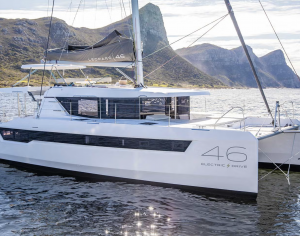
Savannah has long been one of my favorite places. We could have followed the Intracoastal Waterway north, keeping the shoreline and its familiar reference points nearby. Instead, we took a power catamaran up the Atlantic Coast.
There were only two of us aboard. The stated destination was Savannah. In truth, the trip was about us.
That part of the memory remains private. It is enough to say that the passage has stayed with me and will always be among the most cherished journeys of my life.
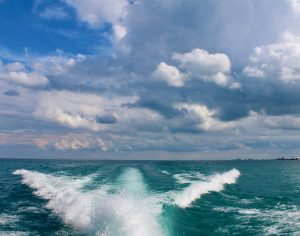
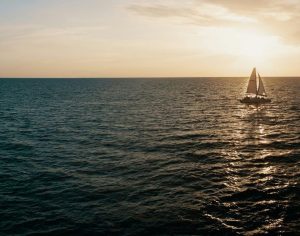
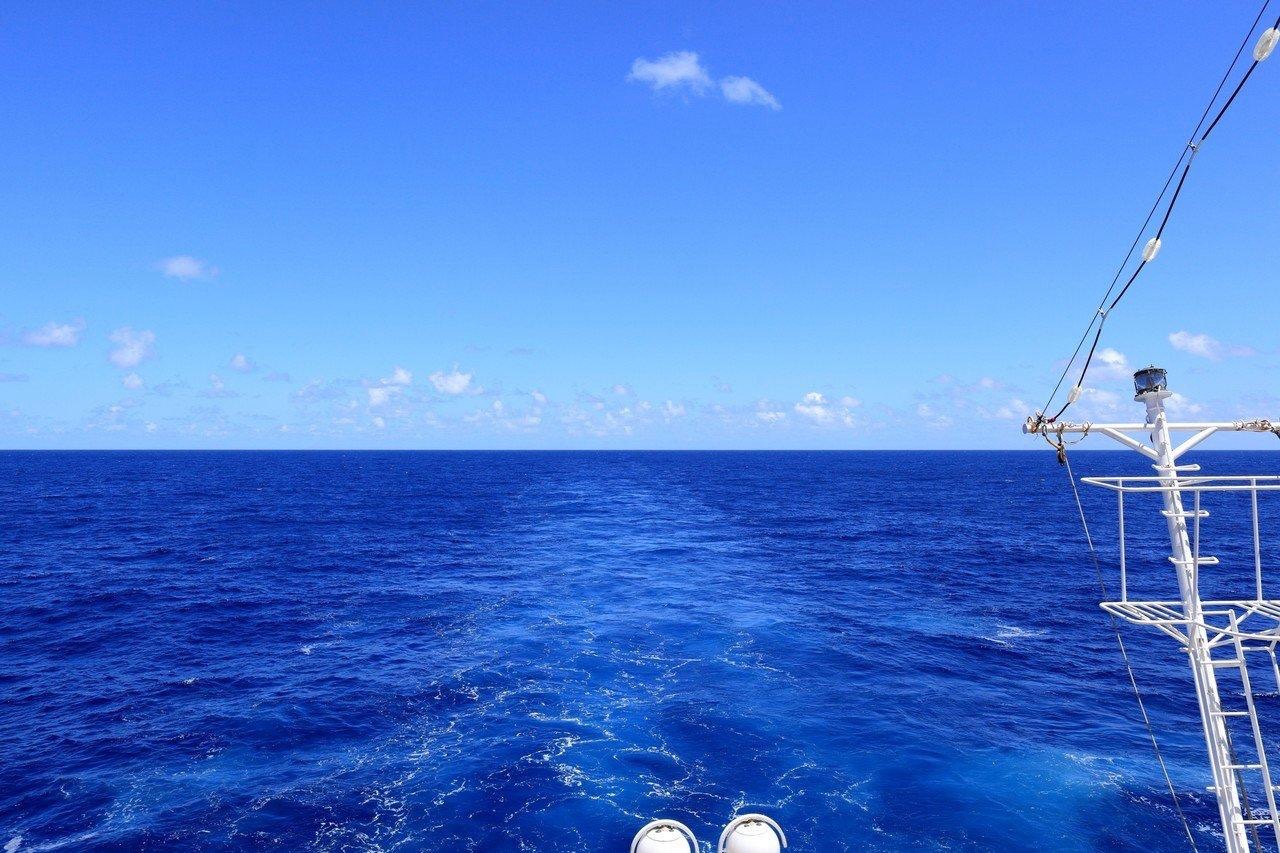
One of my favorite things to do on the water is make the land disappear.
The coast gradually falls away until the last visible shape is gone. Buildings, trees and all the fixed points by which we ordinarily judge distance surrender to the horizon. There is no road beside you and no landmark ahead. For a time, the world is reduced to water, sky, instruments and the vessel carrying you through it.
I have always loved that feeling.
Making land disappear removes more than a geographical reference. It quiets the unnecessary measurements that accumulate ashore. There is less concern for appearances because the sea has no interest in them. Titles, schedules and the performance of importance lose much of their authority when there is no one nearby to impress.
What remains is the boat, the weather, the person beside you and the quality of your attention. One of my other favorite moments comes later, when land appears again for the first time.
At first, it may be no more than a slight interruption in the horizon. A line becomes a shape. The shape acquires depth and color. After enough time with nothing fixed ahead, the sight of land feels almost improbable.
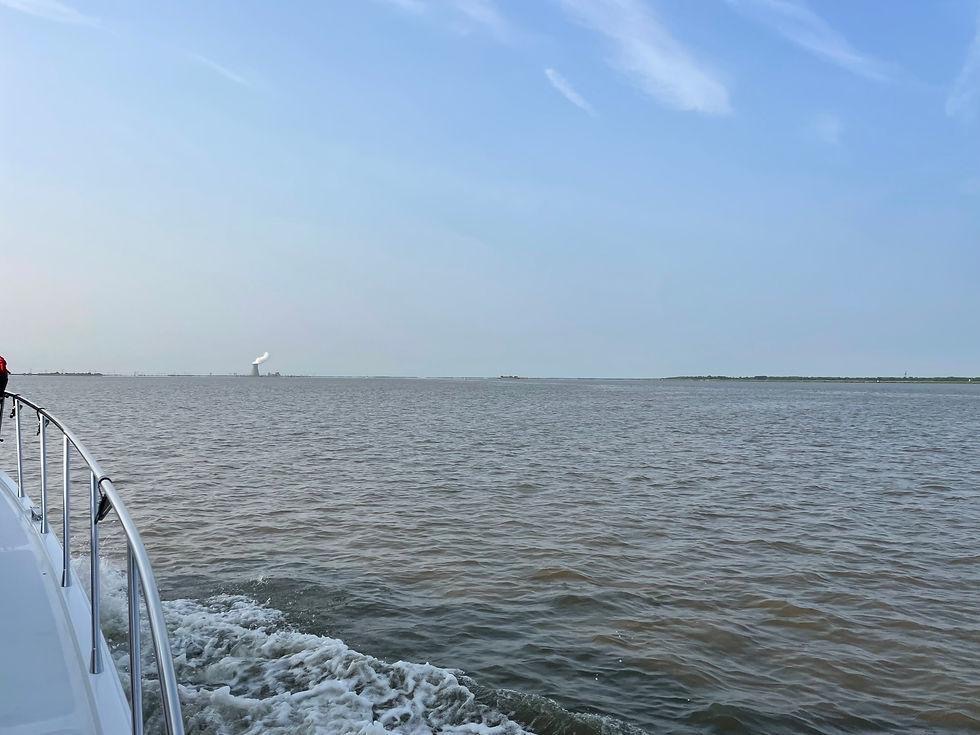
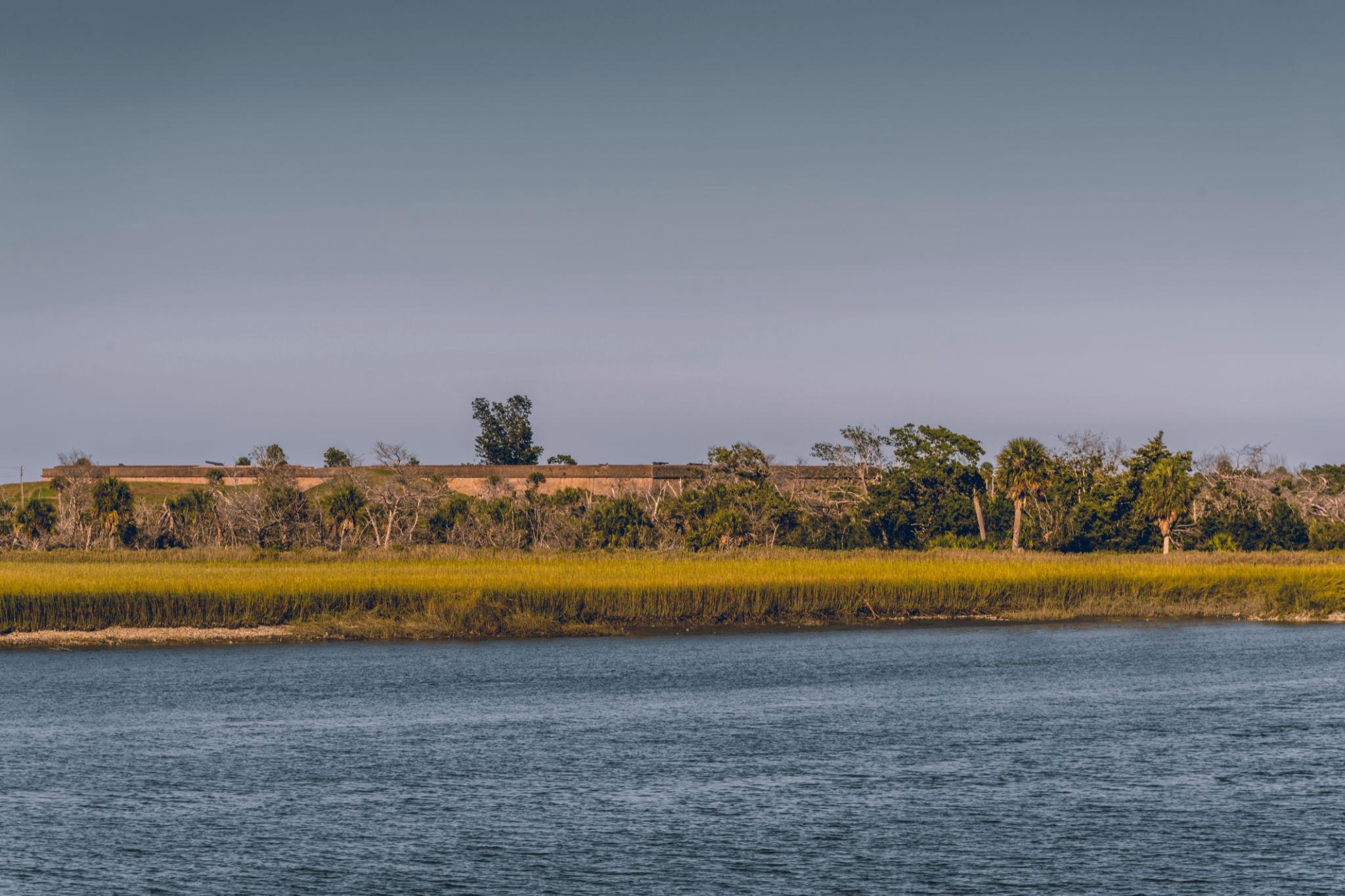
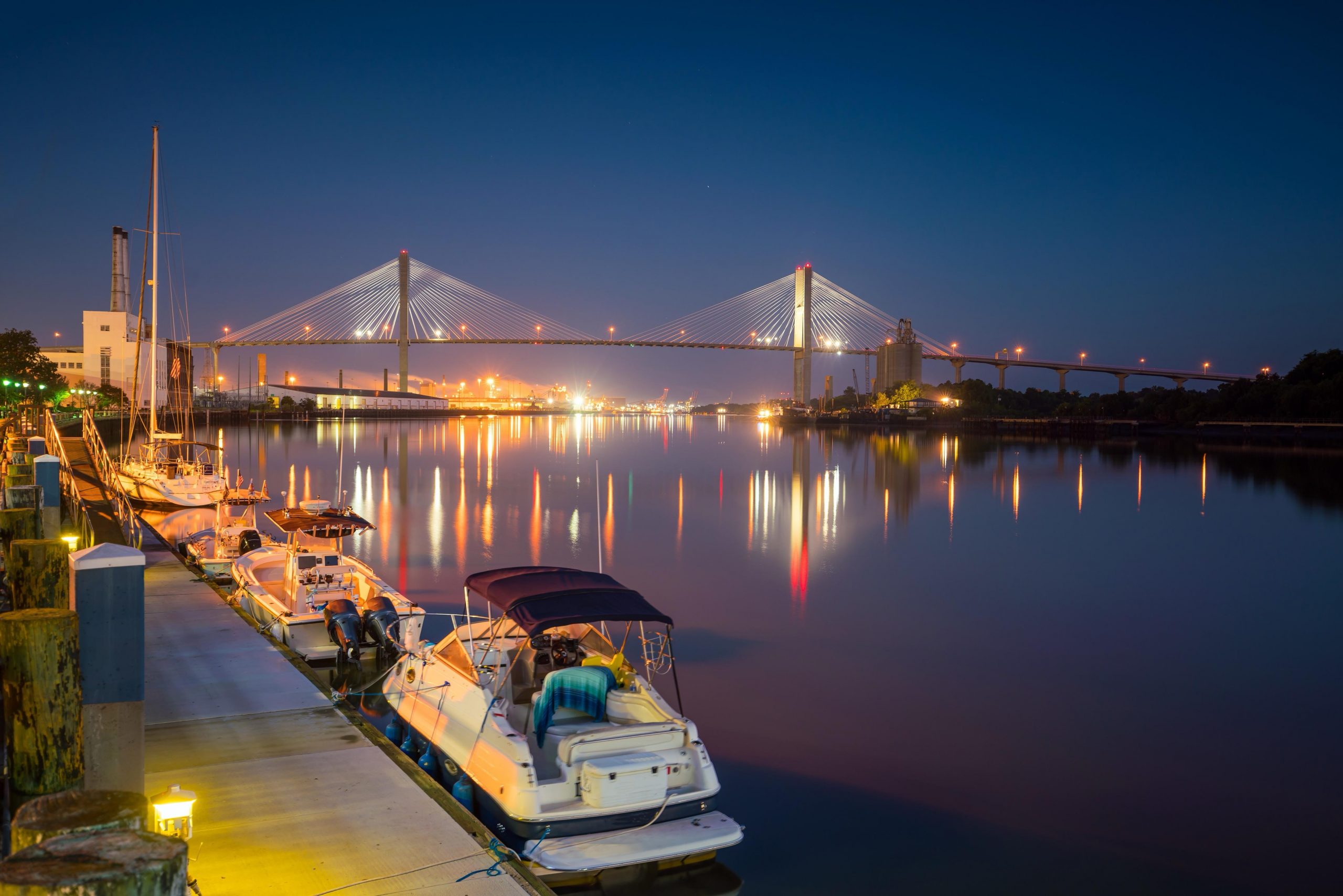
On that passage in 2007, the Georgia coast eventually returned to view. We came past Tybee Island, entered the Savannah River and spent our first night moored beside Fort Pulaski. The following day, we continued into Savannah Harbor.
I love both moments: when the last trace of land disappears and when the first trace returns. They mark the boundaries of a passage.
What matters most happens between them.
The shore frames the experience. It gives us a place from which to depart and somewhere toward which we can steer. It offers shelter, arrival and return. It allows a line to be drawn on a chart and a voyage to be given a name.
The shore was never the point.
Savannah mattered. We had chosen it deliberately, and arriving there carried meaning. A destination gives movement direction. It creates purpose for the next heading and provides an answer when someone asks where we are going.
The destination cannot account for everything that happens on the way there.
Between the loss of one shoreline and the appearance of another, a smaller and more honest world takes shape. Decisions become immediate. Attention becomes useful. The person beside you is no longer one presence among many. For that period, the two of you share the same vessel, the same conditions and the consequences of the same choices.
Responsibility becomes difficult to disguise.
Water has a way of doing that. It removes enough noise for conduct to become visible. Weather changes whether we have been watching or not. A careless decision still carries its price after the explanation has been given. Preparation, judgment and restraint stop being admirable concepts and become practical necessities.
No one becomes wiser merely by going to sea. Water offers an education. We still have to notice what it is teaching.
Thirteen weeks ago, I began this series with the words, “Most people carry a water memory.” I believed then that those memories were more than nostalgia. I believe it more strongly now.
The water memories that remain with us usually contain an instruction. We may remember a father checking the sky, someone coiling a line correctly or a quiet decision that prevented difficulty from becoming danger. At the time, these may have seemed like ordinary acts. Years later, we understand that we were watching a form of character.
Every essay in this series has returned to attention.
The water asks us to see conditions as they are. It asks us to recognize the limits of command, prepare before urgency, remain steady under pressure and accept that changing course is
sometimes an act of judgment. It reminds us that holding ground requires more than weight, departure requires more than motion and every passage leaves something behind.
Those lessons become valuable when they survive the return to land.
It is easy to watch the horizon when there is nothing else to see. It is harder to notice strain in the voice of someone sitting across the table.
It is easy to correct a heading when the instruments show that the vessel has drifted. It is harder to reconsider a plan after pride, reputation and expectation have become attached to it.
It is easy to inspect the boat before asking it to carry another load. It is harder to give our own health, judgment and limits the same respect.
The shore is where the lesson faces its real examination.
Once the lines are made fast, the immediate discipline of the water begins to recede. The reference points return. So do the distractions. A person can once again hide poor judgment beneath activity, confuse noise with authority and move through familiar routines without asking whether the original heading still deserves to be held.
Seamanship left aboard becomes nothing more than a collection of skills. The deeper education must come ashore.
A harbor gives us shelter and a place to repair. It allows us to rest, reunite and prepare for whatever comes next. The night beside Fort Pulaski and the arrival into Savannah remain part of what made that 2007 passage extraordinary.
The harbor received us. It did not explain the meaning of the journey.
Nearly two decades later, I still remember that it was my final boat trip before moving away from Florida. I remember there were only two of us aboard and that the trip belonged to us in a way no public explanation could improve. I remember the disappearance of land and the moment it returned.
Savannah was the destination.
The passage became the memory.
Perhaps that is why the first sight of land has always moved me. It is not simply relief or the satisfaction of arrival. It is the recognition that a crossing now lies behind us. We have passed through a space without fixed reference points and reached the other side.
The coastline looks much as it did before.
We may not.
Most people carry a water memory.
This is one of mine.
Its value does not rest entirely in where we went. It lives in the distance between two shorelines, in the person who shared it with me and in everything the water allowed to become clear once the land had disappeared.
The shore was never the point.
It marked the place where one passage ended and the rest of life resumed. The point was what came home with us.
The tide still moves.
The wind still shifts.
The harbor lights still matter.
The old lessons are still there.
We only have to go near enough to listen.

The Unofficial Ambassador for the State of Texas