The Wisdom of Weighing Anchor
An anchor can save a vessel. Left down too long, it can also prevent the voyage.
A good anchorage offers relief. The wind seems quieter behind the protection of the land. The water settles. The strain leaves the rigging, the sails are put away, and life aboard becomes pleasantly small. A meal is prepared. Wet clothing dries in the sun. Someone makes coffee. For a few hours, the outside world can wait.
Every sailor eventually faces the morning when it is time to leave.
The charts have been studied. The forecast is favorable. The tide is beginning to turn. Somewhere beyond the harbor entrance lies the next stretch of water. The anchor that provided security through the night must now be brought back aboard.
This is called weighing anchor.
The expression sounds almost ceremonial, and perhaps it should. An anchor is never raised casually. It has spent the night holding the vessel against wind, current, and drift. It has done exactly what was asked of it. Raising it is an acknowledgment that its work here is finished.
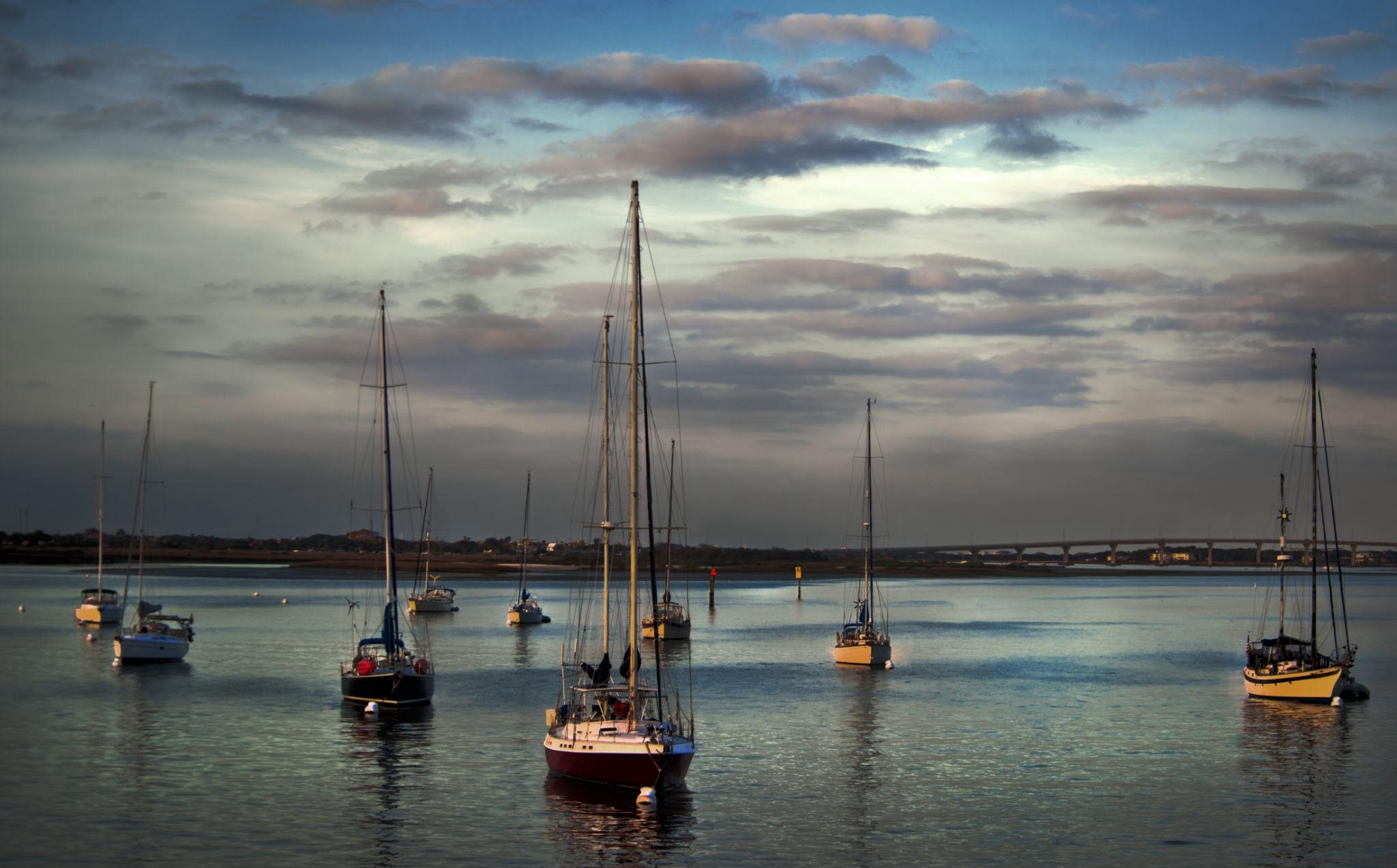
I remember one such morning aboard a sail boat tucked into a protected cove near St. Augustine, Florida after two tiring days on the water. We had arrived late the previous afternoon with the wind pressing hard against us. The boat had been restless, the crew tired, and the shelter of that little anchorage felt like a gift.
By morning, the weather had cleared. Sunlight reached across the water in long, bright strips. The boat barely moved. After a couple days of spray, noise, and constant adjustment, the stillness felt luxurious.
We had planned to leave shortly after sunrise. We only needed to get back down to Daytona before the end of the weekend. Our next destination required catching the tide at the right hour, and the forecast gave us a good window for the passage. Everything was in our favor.
No one seemed eager to begin.
Breakfast took longer than necessary. Coffee was poured a second time. And a third. A minor adjustment to one of the lines became a reason to remain on deck. Someone remarked that another hour would make little difference.
I understood the temptation. I felt it myself.
The cove had become familiar in less than a day. We knew how the boat sat there. We knew the wind was unlikely to reach us with much force. We knew where the shallow water began and how far we could swing. Beyond the entrance, every certainty disappeared.
Eventually, I went forward to raise the anchor.
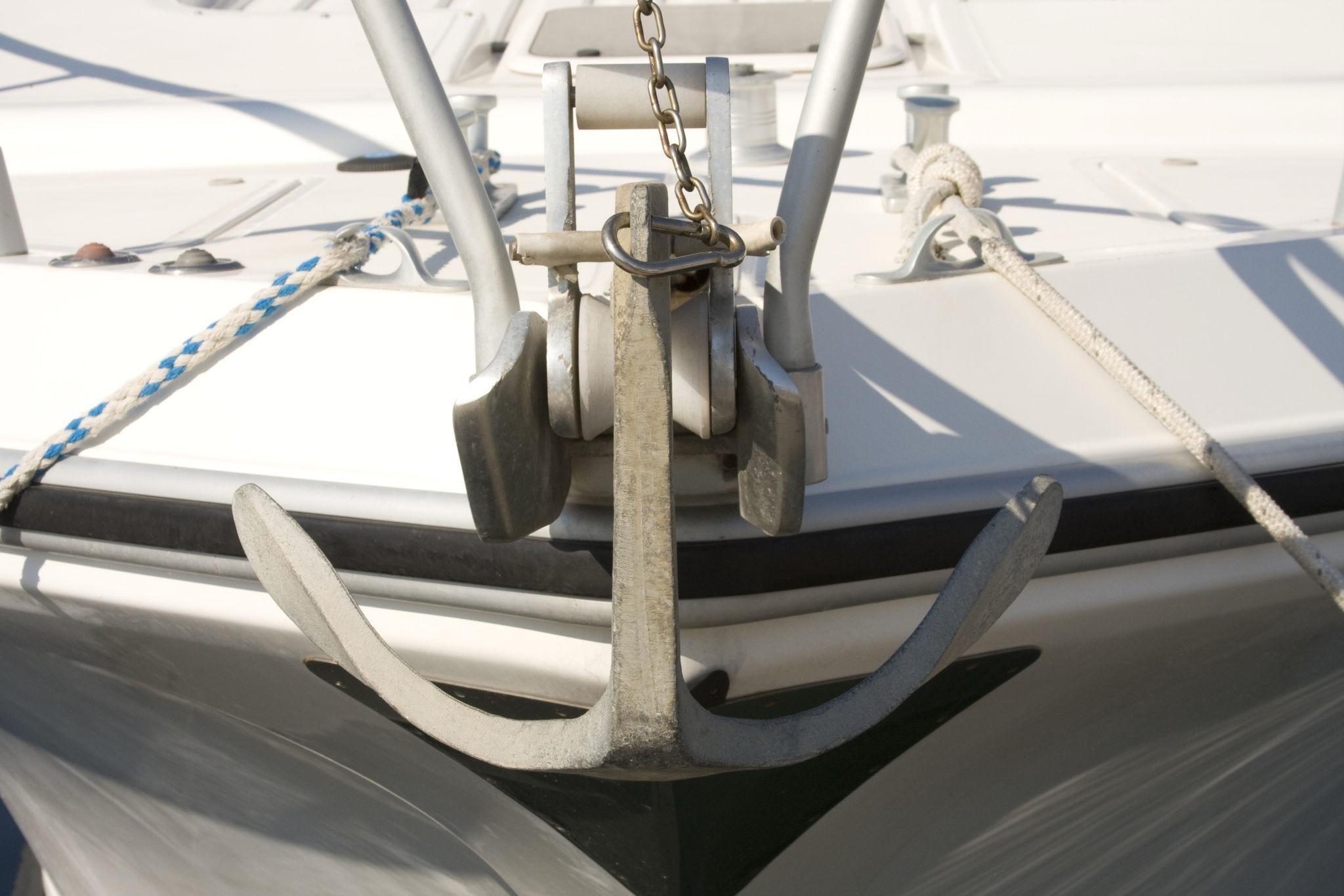
The first length of chain came aboard easily. Then the windlass slowed as the chain pulled straight down. The anchor had dug deeply into the bottom during the night. It had held us securely because it had buried itself well.
For several minutes, it resisted.
We moved the boat gently forward to ease the strain. The chain tightened, then loosened. Muddy water rose around it. Finally, the anchor broke free.
The change was immediate.
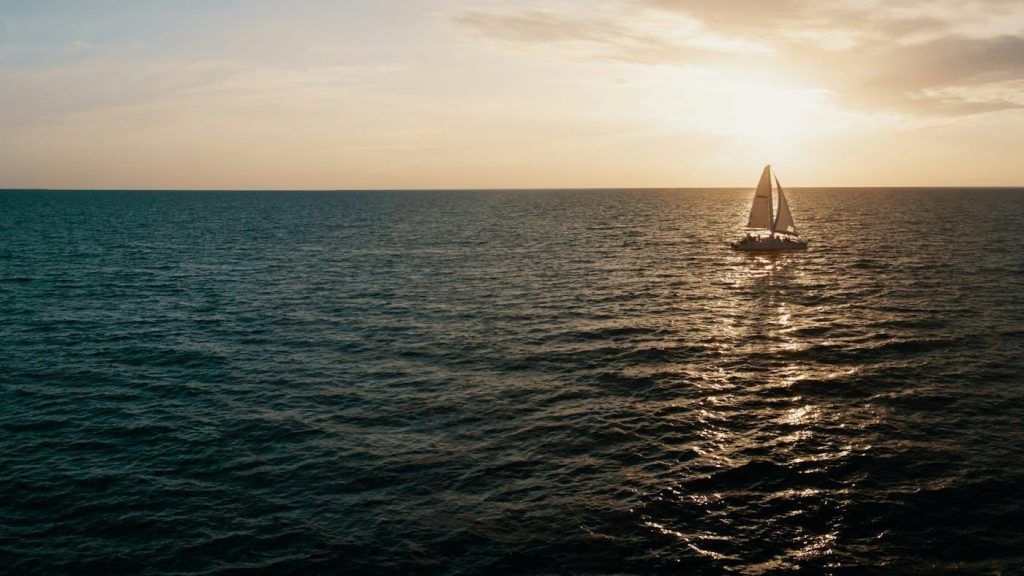
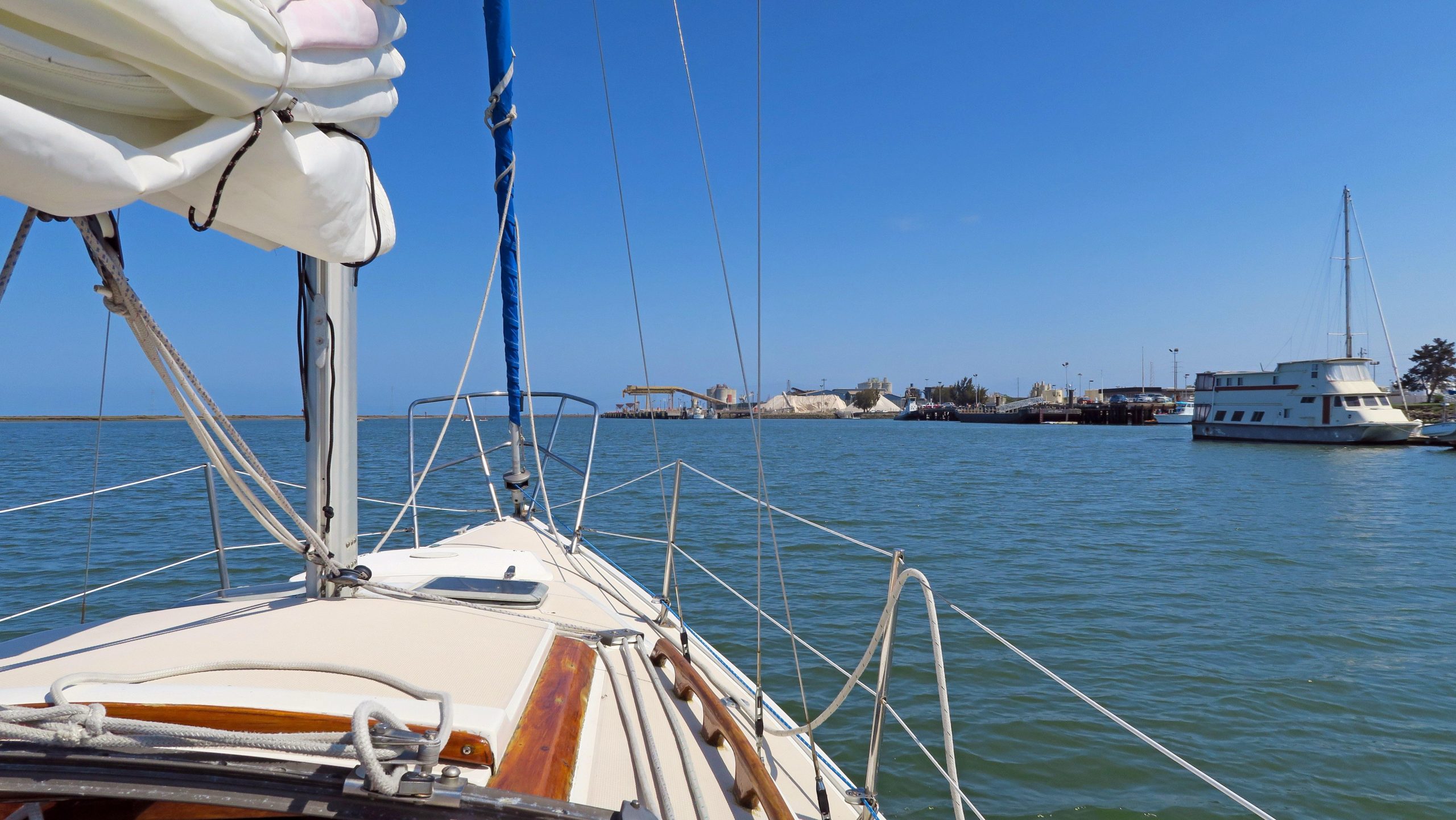
The boat began to move with the current. The bow turned toward the open water. The cove that had felt so permanent a few minutes earlier began slipping behind us. Once the anchor was washed and secured, we raised sail and passed through the entrance.
The sea beyond was calm. The wind was steady. We made excellent time.
I remember looking back at the shrinking shoreline and realizing how easily we could have stayed. Another hour might have become half a day. Half a day might have cost us the tide. The favorable weather would eventually have moved on without us.
Nothing had been wrong with the anchorage. Its purpose had simply been fulfilled. That distinction matters far beyond sailing.
Each of us has anchors. Some are responsibilities we have chosen. Some are principles that keep us from drifting. Some are people, places, habits, and traditions that give our lives shape. A man without any anchors becomes vulnerable to every passing current.
Other anchors began as forms of protection and remained long after the danger passed.
A job once provided stability and gradually became a place to hide. A familiar routine once restored order and now prevents growth. An old identity still determines what seems possible. A disappointment from years ago continues to influence present decisions. Even success can become an anchor when a man devotes the rest of his life to protecting what he has already accomplished.
Perhaps you recognize one of these in your own life.
You may already feel the tide changing. You may have caught yourself looking beyond the harbor entrance and wondering what lies on the other side. The idea of leaving creates energy, followed closely by a long list of reasons to remain.
Comfort is persuasive. It rarely commands us to surrender our ambitions. It simply suggests waiting another hour. As one wise fellow Englishman put it, “Comfort is a drug. It’s addictive. Give a weak man regular food and cheap entertainment and he’ll throw his ambitions right out of the window. The comfort zone is where dreams go to die.”
Wise departures begin long before the anchor leaves the bottom.
A sailor checks the weather, studies the chart, prepares the boat, and considers the tide. He knows where he intends to go. He accepts that the entire passage cannot be predicted. Preparation gives him the confidence to begin.
The same discipline applies to the rest of life. Weighing anchor does not require a dramatic resignation, a reckless decision, or a grand announcement. It may begin with a private admission: this has carried me as far as it can.
That admission can be difficult.
We develop loyalties to old versions of ourselves. We remember the person we were when a particular place, role, or ambition first became important. Leaving it can feel like betraying that younger self.
With time, I have come to see the matter a bit differently. Growth honors the person who first sought shelter. The lessons remain aboard. The experience becomes part of the vessel. Gratitude does not require permanent residence.
The anchor itself comes with us.
That may be the most useful part of the metaphor. We do not abandon the anchor on the bottom when we leave. We raise it, clean it, secure it, and carry it forward. We will need it again.
The principles that held us steady remain valuable. The discipline learned during a demanding season remains useful. The home that gave us shelter, the mentor who offered guidance, and the work that taught us competence continue to shape the journey. Their value does not depend upon our staying in the same place forever.
Knowing when to weigh anchor requires an honest assessment of three things: what is holding you, what it is protecting you from, and what remaining there is costing you.
Those questions deserve time.
Some anchors should stay down. Duty sometimes asks us to remain. Loyalty has weight. A passing restlessness is a poor navigator. A man should understand the difference between a genuine calling and the simple desire to escape discomfort.
The answer becomes clearer when preparation and opportunity begin to meet. The weather improves. The tide turns. The vessel is ready. The horizon starts to feel more like an invitation than a threat.
At that moment, continued delay becomes its own decision.
Most lives are shaped by a series of anchorages. We stop, recover, learn, repair, and regain our bearings. Then the morning comes. The light changes across the water. The conditions become favorable. The next destination waits beyond the headland.
The wisdom of weighing anchor lies in recognizing that moment.
Some places were meant to shelter us. Some were meant to teach us. Very few were meant to hold us forever.
When the work of the anchorage is complete, thank it.
Then bring the anchor aboard and let the voyage continue.
NEXT WEEK: Mind Your Wake

The Unofficial Ambassador for the State of Texas