
The Wisdom of Keeping Watch
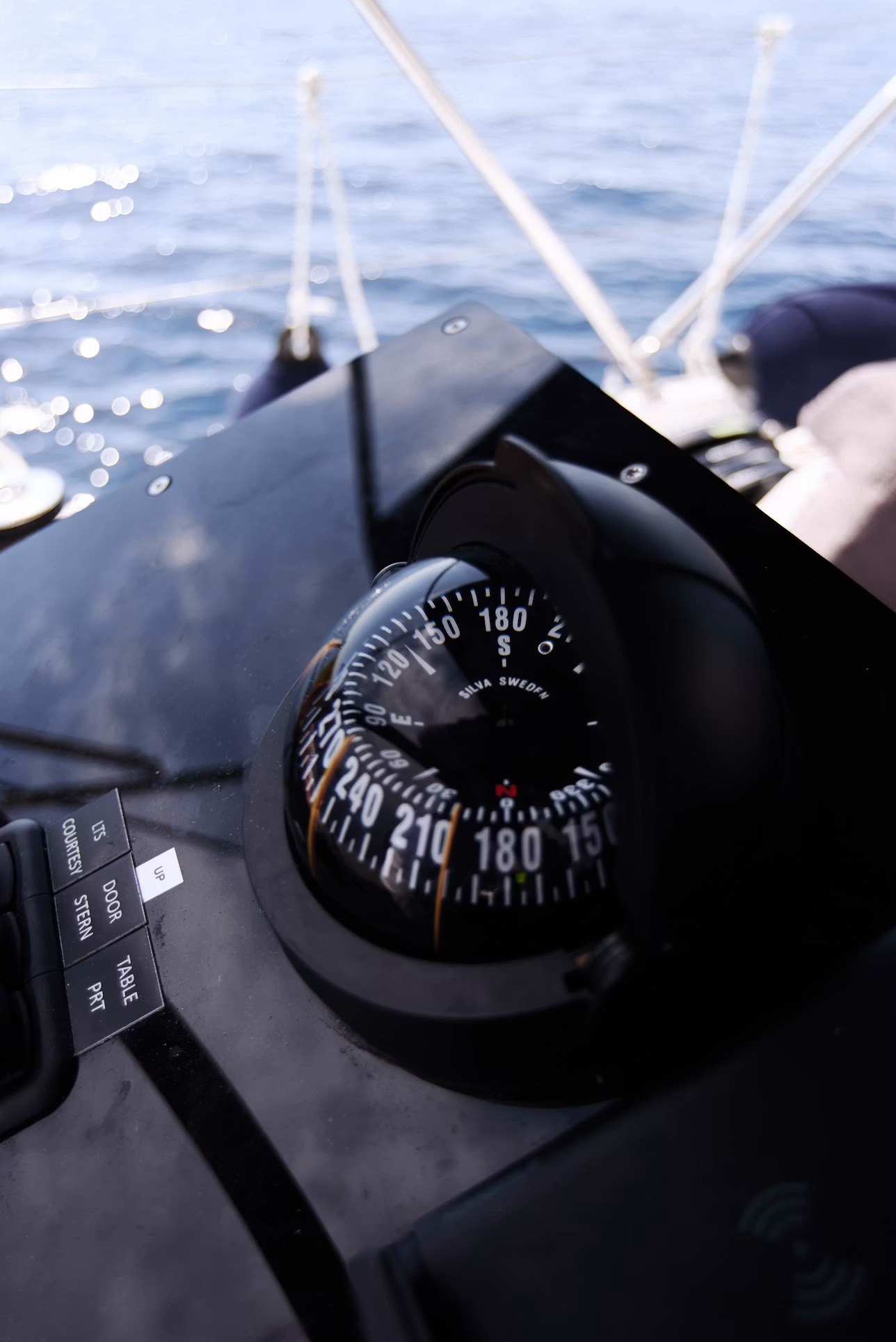
At sea, someone must always be paying attention.
That sounds simple enough from land. Indeed, it’s almost too simple to be worth saying. Yet on a boat, especially offshore, attention becomes a stewardship of sorts. The water does not pause because a man is tired. The wind does not wait because the crew has grown comfortable. The horizon does not announce every change in a dramatic voice. Often, the first sign of trouble is subtle. A shift in the air. A darkening seam in the clouds. A new rhythm in the water against the hull. A sound in the rigging that was not there an hour before.
This is why boats keep watch.
The practice is older than nearly everything “modern men” like to call sophisticated. One man rests because another man is awake. One man sleeps because another has accepted responsibility for the vessel, the crew, the course, and the unseen miles ahead. It is a quiet arrangement, and a truly serious one. No applause attends it. No one on shore praises the man who stood in the dark and noticed nothing disastrous. Yet much of seamanship consists of preventing drama rather than surviving it.
Keeping watch teaches a man that responsibility is often invisible when it is done well.
A good watch is not anxious. It is not theatrical. It does not confuse vigilance with fear. The watchman is not there to invent danger, nor to impress himself with his own seriousness. He is there to observe, to listen, to compare what is happening with what ought to be happening, and to recognize the difference before it becomes expensive.
That distinction matters.
Two weeks ago we touched on this: many men mistake motion for command. They want to act, adjust, speak, or interfere. They feel most useful when they are doing something visible. The sea punishes that habit. A man on watch who touches everything because he wants to appear useful becomes a nuisance. He overcorrects. He chases the compass. He trims when the boat is already balanced. He wakes the skipper for every harmless shadow. He turns attention into agitation.
The better man learns stillness.
He scans the horizon. He checks the course. He listens to the sail. He feels the motion underfoot. He trusts the instruments but does not surrender his judgment to them. He notices
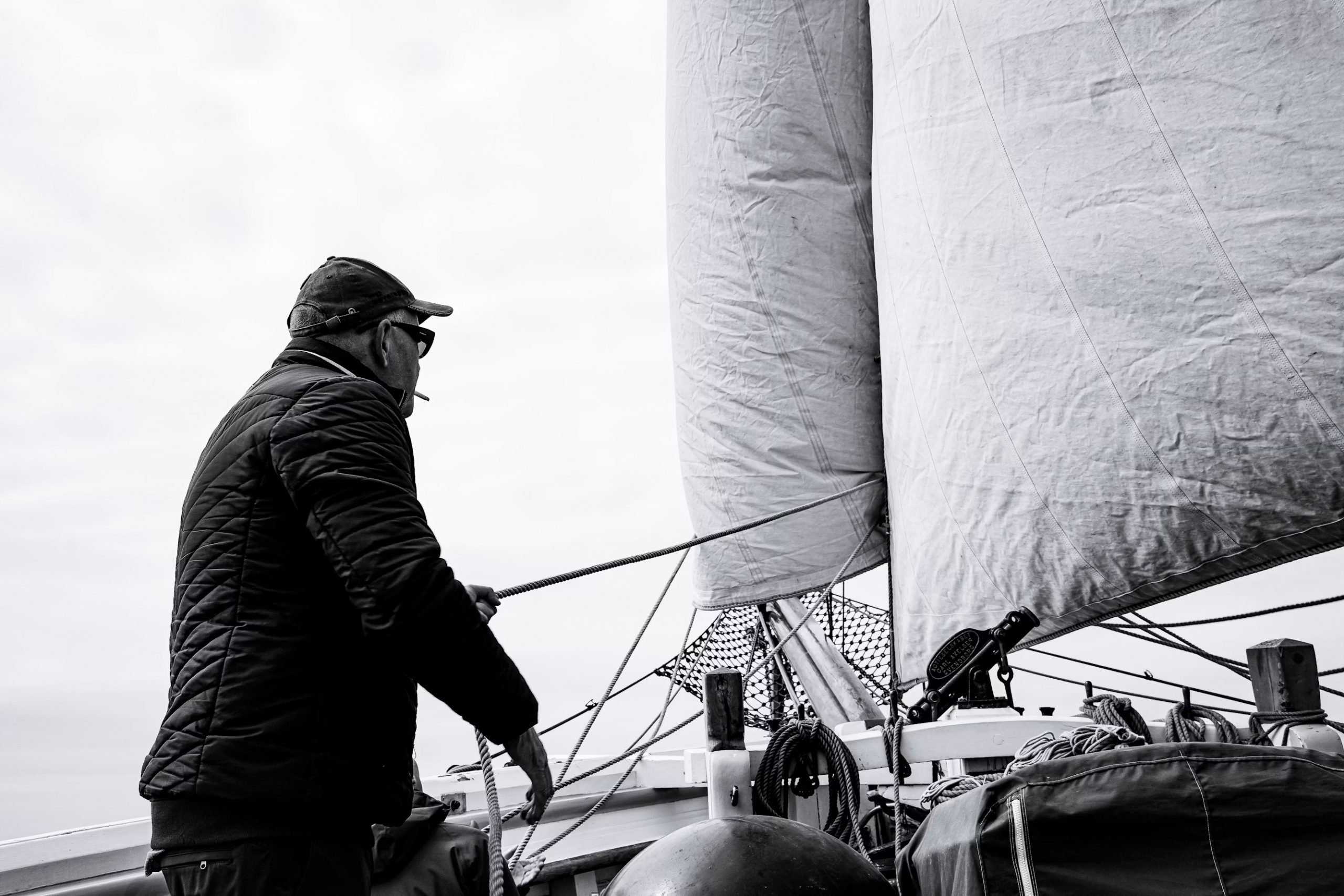
what has changed and what has not. He understands that the discipline is not constant interference, but constant awareness.
That is a harder lesson than it appears.
Modern life encourages men to sleepwalk through their own affairs, then act surprised when the weather arrives. They ignore the early strain in a business partnership, the quiet distance in a marriage, the slow disorder in finances, the small compromise in character, the neglected health, a career, or a reputation. Then, when the consequences finally make themselves impossible to ignore, they call it sudden.
Very little is sudden to the man who has been keeping watch.
The signs were usually there. They may have been small. They may have been inconvenient. They may have required humility to admit. But they were there. The first strange sound in the rigging. The faint change in pressure. The compass begins to wander by degrees. The horizon loses its innocence.
A life, like a vessel, rarely loses its course all at once.
It drifts.
This is why watchfulness is one of the understated virtues. It lacks glamour. It does not flatter the ego. It requires patience more than brilliance. It asks you to be faithful when nothing exciting is happening. That may be why it is so rare. Many are willing to respond to a crisis. Fewer are willing to prevent one by paying attention before anyone else sees the need.
On a night watch, there is no audience.
The deck is dark. The cabin lights are dim or extinguished. The others are below, wrapped in the strange trust that sleep requires at sea. The world narrows to the compass glow, the shape of the sails, the sound of the hull moving through water, and the wide black distance ahead.
A man learns a great deal about himself in that quiet.
He learns whether he can be trusted when no one is watching him watch. He learns whether his mind wanders too easily. He learns whether he invents distractions to avoid the weight of silence. He learns whether he can remain calm without becoming careless. He learns whether he can carry responsibility without needing recognition for it.
That is not only seamanship. That is character.
Every serious life requires a watch.
A father keeps watch over the atmosphere of his home. A husband keeps watch over the promises he made long after the ceremony has passed. A businessman keeps watch over the details that reveal whether the enterprise is healthy or merely busy. A writer keeps watch over
language, refusing the easy phrase when precision is required. A gentleman keeps watch over himself, because he knows that decline begins quietly and excuses often arrive dressed as reason.
The watch is not paranoia. It is love disciplined into attention.
To keep watch is to refuse negligence. It is to understand that what has been entrusted to you deserves more than good intentions. A boat does not care that you meant well. Neither does a household, a name, a body, a calling, or even a life. Neglect is still neglect. There is mercy in early attention.
A sail adjusted early may save a torn canvas later. A hard conversation held early may save a relationship from bitterness. A small correction in habit may save a man years of regret. A reputation guarded in private may never need defending in public. The silent act of noticing can become the difference between discipline and damage.
At seventeen, in the North Atlantic, I did not yet understand all of this.
I understood the romance of the sea before I understood its seriousness. I liked the movement, the distance, the foreign harbours, the feeling of being away from ordinary life of the Texas Panhandle. I liked the idea of adventure. I did not yet grasp that much of adventure depends on the least romantic virtues: punctuality, restraint, maintenance, attention, and the willingness to stand your watch when you would rather be asleep.
Those are the virtues that keep the story from turning into a warning.
The older I get, the more I respect the men who notice early. Not the loudest men. Not the most restless. Not the ones forever performing urgency. I mean the men who can read a room, a sky, a ledger, a child’s expression, a tired sentence from someone they love, and understand that something has shifted.
They are not easily fooled by calm weather.
They know calm can be a gift, but it can also be an interval. They do not ruin peace by worrying over it. They honour it by staying awake enough to protect it.
That is the wisdom of keeping watch.
It is not the fear that something will go wrong. It is the maturity to know that something eventually will, and the discipline to meet it early, soberly, and without spectacle.
You do not need to control every wind. You do not need to carry full sail to prove your courage. You do not need to turn every crossing into a contest of pride.
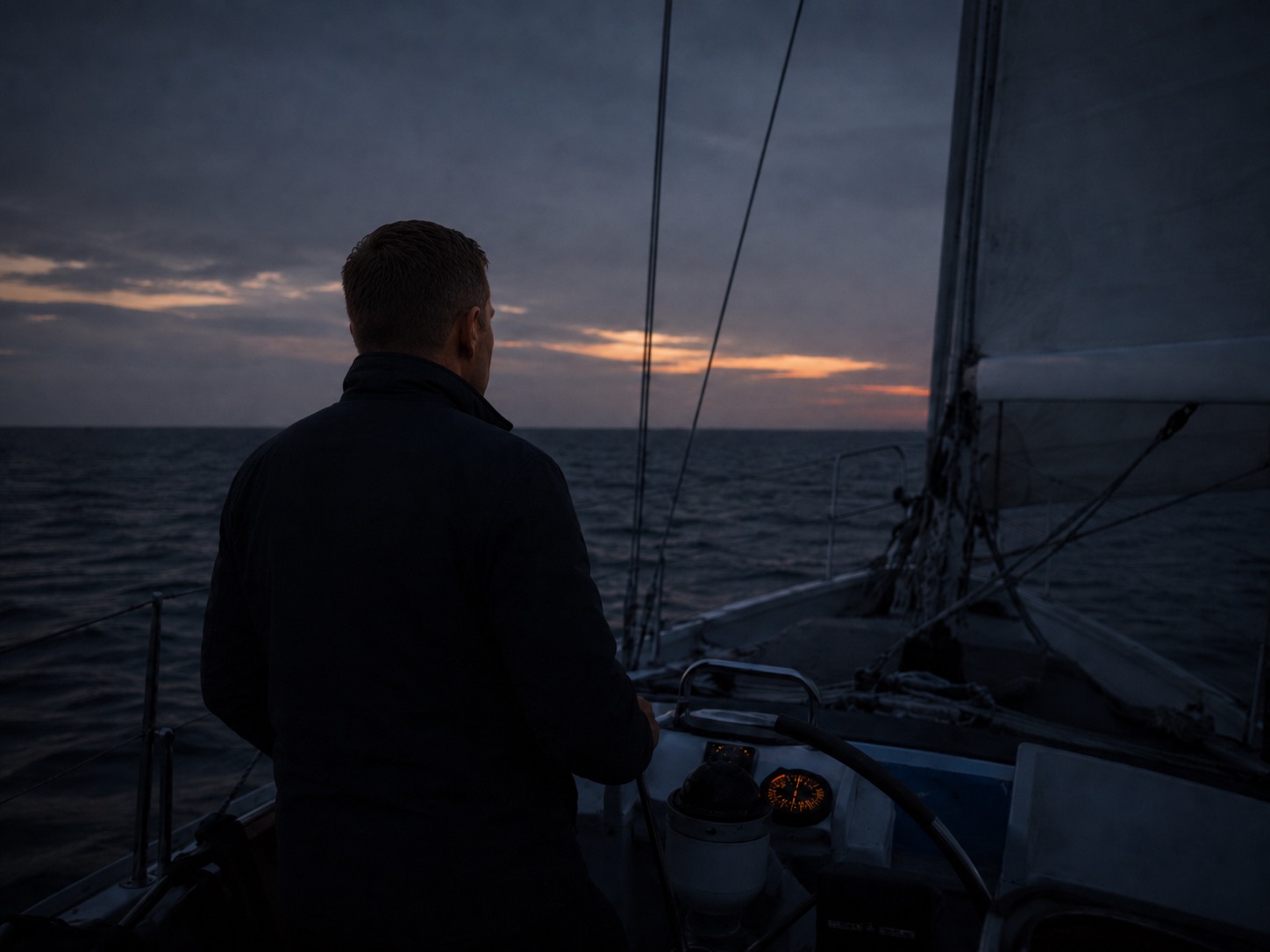
But you do need to stay awake.
You need to know what has been entrusted to you. You need to notice when the air changes. You need to understand that negligence is not neutral. You need to accept that the quiet hours count.
Because sooner or later, we all find ourselves on watch.
The only question is whether we are paying attention.

The Unofficial Ambassador for the State of Texas