The Wisdom of Shortening Sail
The summer I was seventeen, I needed to get out of the Texas Panhandle for a while.
That country has its own kind of horizon. Long, flat, honest, and sometimes severe. It can make a young man restless, especially one with an American teenager’s predilection for speed, engines, and open road. So when the chance came to join a few of my English family members on a sailing trip out of England, I took it.
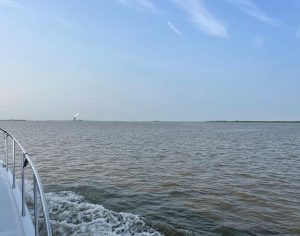
The plan was ambitious enough to feel grand at that age. We would sail from England, move through the English Channel, and make our way toward the Bay of Biscay off the northern coast of Spain. Three weeks on the water. Three weeks of weather, watches, harbours, charts, salt air, and the strange education that only a boat can give.
It became one of those trips that would fill a lifetime of memories and stories.
The first couple of days were windy. To my seventeen-year-old mind, that seemed like an obvious advantage. Wind made the boat go. More wind should make the boat go faster. And if the boat could go faster, why not let her?
So I asked the question with all the confidence of someone who did not yet understand the subject.
“Why not let all the sails out and go as fast as possible?”
The answer was seemingly simple, and I have remembered it ever since. Sometimes, just because you can go fast does not mean you should.
That was the lesson on hand.
At seventeen, I heard it as a sailing instruction. Years later, I understand it as a rule for life.
A good sailor does not wait for the boat to complain.
He watches the sky. He studies the water. He feels the pressure building through the helm, the rigging, and the heel of the hull. Long before the weather has fully declared itself, the wise man has already made his decision.
He shortens sail.
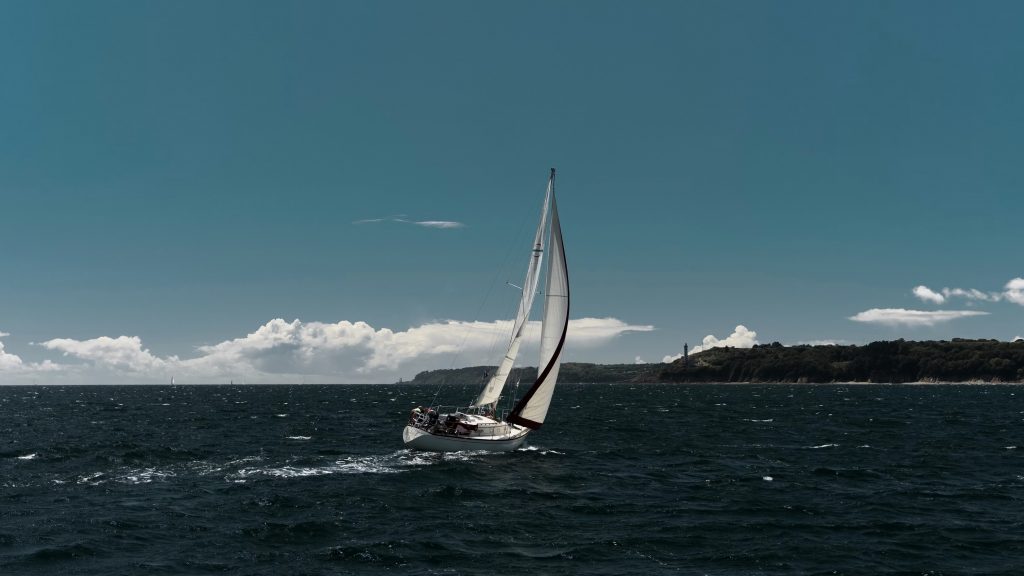
To the inexperienced eye, this can look like caution. Perhaps even retreat. A boat under less canvas appears less ambitious than one pressing hard across the water, every sheet loaded, every sail full, the bow driving forward with force and spectacle.
Seamanship has never been measured by spectacle.
A sailor who reefs early understands something pride resists: pressure does not need to become a crisis before it deserves respect. Wind has a way of flattering a man at first. It fills the sails. It gives speed. It makes the boat feel alive beneath him. For a time, more canvas feels like more courage.
Then the line is crossed.
The same force that carried him begins to overpower him. The boat heels too far. The rudder loads up. The rig strains. The crew grows quiet. What was exhilarating becomes inefficient, then stupidly dangerous.
The lesson is simple enough to understand and difficult enough to live.
Full canvas is not always courage.
Joseph Conrad, the Polish-born novelist and former merchant seaman who became one of the great writers of the English language, knew the moral vocabulary of the sea. In a line often attributed to him, he put the matter plainly: “Any fool can carry on, but a wise man knows how to shorten sail in time.”
That is not merely nautical advice. It is a philosophy of command.
Any fool can carry on. Any fool can keep every sail flying, every obligation accepted, every argument alive, every ambition over-pressed. Any fool can confuse endurance with wisdom and strain with strength. The harder thing is to know when force has stopped serving the voyage.
Some men mistake reduction for weakness. They carry too much because they can. Too much work. Too much debt. Too much pride. Too many obligations accepted in the name of ambition, loyalty, reputation, or simply fear of appearing small. They keep everything flying because taking something in feels like surrender.
It isn’t.
Shortening sail is not the abandonment of the journey. It is the preservation of it.
A reefed sail still moves the boat forward. It simply does so with intelligence. It takes the same wind and makes it manageable. It converts force into progress without allowing force to become destruction. The destination remains. The command remains. The discipline deepens.
That is the part worth noticing.
The wise sailor does not shorten sail because he lacks nerve. He does it because he has command of himself. He has learned that timing matters. Reefing after the boat is already in trouble is not prudence. It is recovery. The better decision is made earlier, often quietly, often before anyone else sees the need.
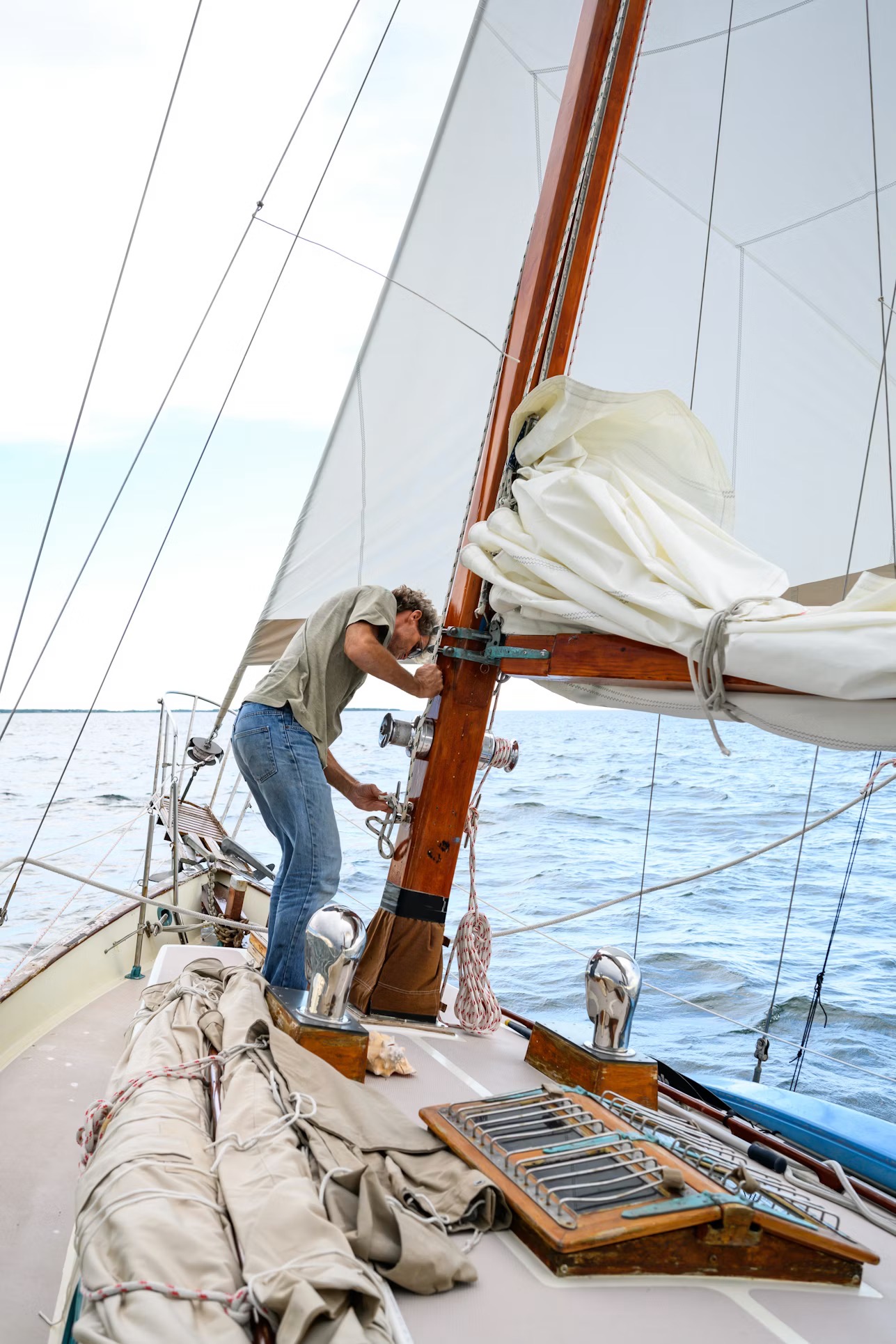
On deck, this is practical. A hand goes to the halyard. A sheet is eased. Canvas comes down or is tucked away. The boat settles back onto her feet. The helm lightens. The noise changes. She stops fighting herself. She becomes a vessel again, not a contest between pride and weather.
A man can learn from that.
The lesson follows him ashore. Into business, family, health, reputation, finances, and the long stewardship of life.
A man does not need to be broken before he is allowed to adjust.
He may reduce the load before resentment enters the house. He may decline the opportunity that would cost too much of his attention. He may step away from the room where his temper would do damage. He may slow the pace before his body forces him to stop.
These are not small decisions. They are acts of discipline.
Restraint rarely receives applause because restraint prevents the drama others can see. The avoided failure has no audience. The argument never had, the debt never taken, the promise never made. These victories remain quiet. They do not announce themselves. They simply leave a man standing.
That is often the mark of wisdom.
The immature man wants to prove what he can carry. The seasoned man has learned to ask what the journey requires. Those are different questions. One is centered on ego. The other is centered on duty.
A sailor under too much sail may look brave for a moment. He may even move quickly. But the boat is no longer balanced. Speed gained at the cost of control is not mastery. It is borrowing against consequences.
Balance is the higher achievement.
The lesson was hard for me to understand at seventeen because speed to me feels honest. It feels natural. Speed, however, had no ambiguity. It was visible, measurable, exciting. A motor either pulled or it did not. A throttle either opened or it did not. The American teenage mind does not naturally revere restraint. It wants the thing fully unleashed.
Sailing teaches otherwise.
A sailboat is not mastered by demand. She is handled through relationship. The wind is not a servant. The sea is not a road. The boat is not a machine in the same blunt sense as a truck or motorcycle. She answers pressure, angle, timing, and feel. She rewards attention. She punishes arrogance. She exposes the difference between force and judgment. (In that way, she also reminds me of horses I spent years around).
That is why the water is such a severe teacher. It does not care how confident you feel. It does not admire your appetite for speed. It does not reward a refusal to adjust. It gives you conditions, and then it watches what you do with them.
The young want to know how much they can take on.
The mature learn to ask what must be protected.
That protection may be a marriage. A reputation. A company. A friendship. A body. A name. A household. A quiet peace that took years to build and could be damaged in an afternoon by one overpressed decision.
There are seasons when the proper answer is not to press harder, add more, speak louder, or hold every inch of canvas against a rising wind. The proper answer is to reduce what must be reduced so that what matters can continue.
This requires humility, but not passivity. It requires judgment, but not fear. It requires the rare ability to act before circumstances humiliate you into action.
Shortening sail is a private admission that the sea is larger than your ego. It is also a declaration that the voyage matters more than appearances.
A reefed boat can be beautiful in her own way. Less canvas. Cleaner motion. A steadier helm. The vessel recovers her composure. She stops performing and starts traveling well.
So does a man.
A man who learns when to shorten sail becomes less theatrical and more dependable. He knows when to drive. He knows when to ease. He knows that command is not shown by refusing to adjust. It is shown by adjusting before adjustment is forced upon him.
That lesson stayed with me long after the trip ended. I remember the Channel, the wind, the long reach toward the Bay of Biscay, and the feeling of being young enough to think speed was the only point. I also remember the answer that corrected me without humiliating me.
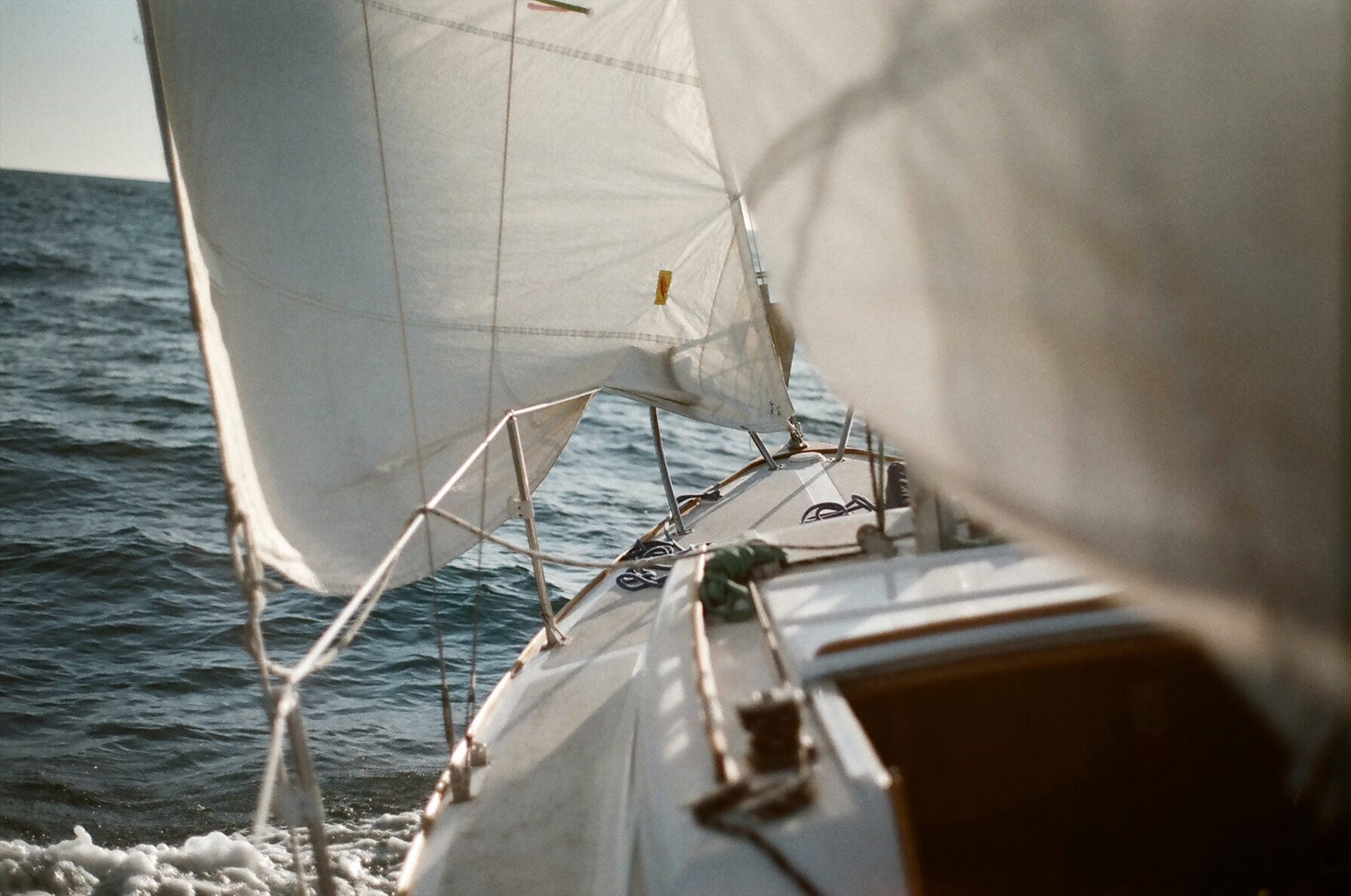
Sometimes, just because you can go fast does not mean you should.
That is the wisdom of shortening sail.
Taking in what no longer serves the voyage. Setting the boat back on her feet. Continuing forward with less strain, better judgment, and a steadier hand.
Next Week: “The Discipline of Making Harbor”

The Unofficial Ambassador for the State of Texas