Mind your Wake
The first warning is usually the sound of the mooring lines.
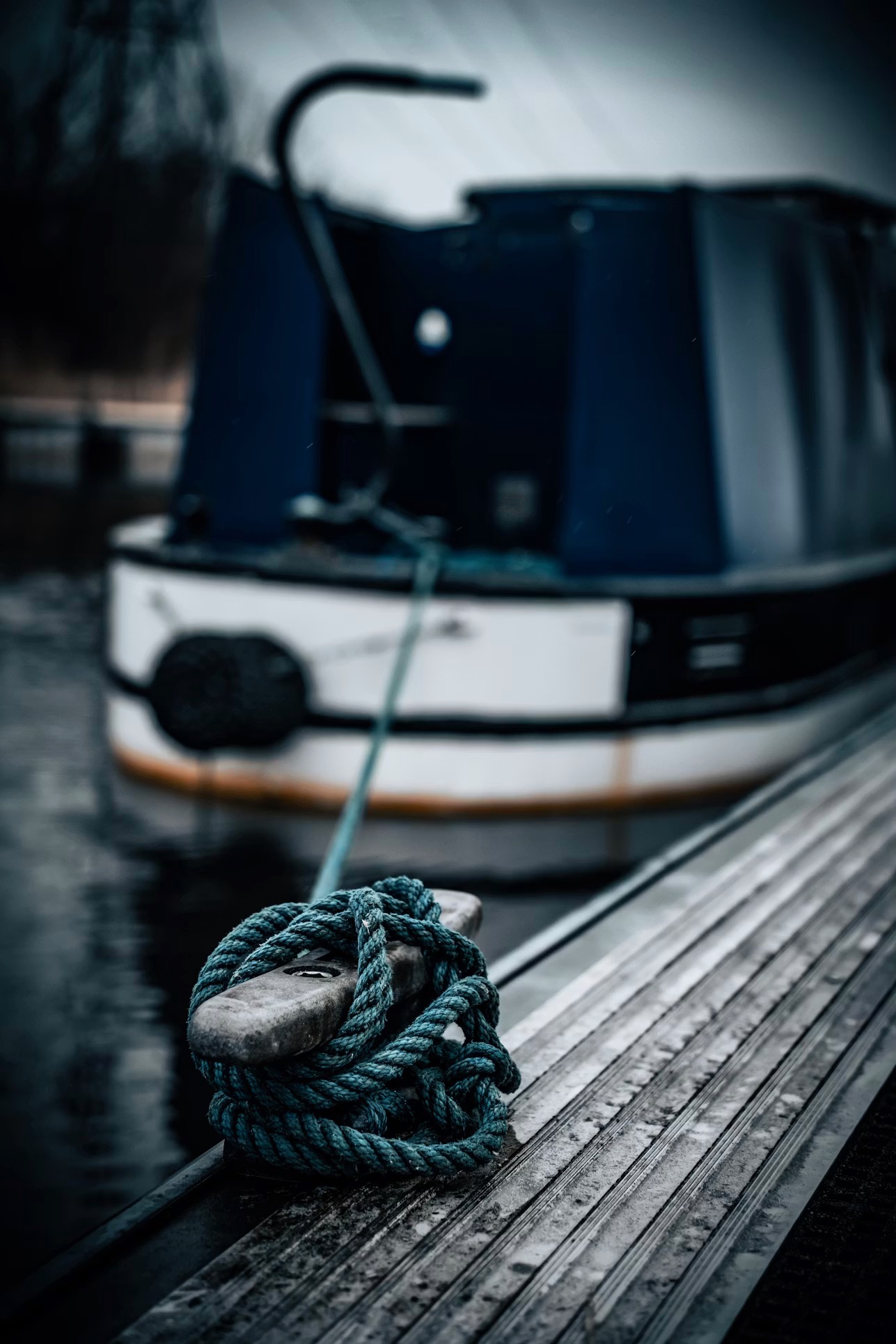
We’ve all seen it many times. A boat passes through the harbor too quickly. Its bow rises, its stern digs in, and two clean ridges begin spreading across the water. A few moments later, boats along the dock start to roll. Lines tighten against cleats. Fenders groan between hull and timber. Someone working on a foredeck reaches for a rail. A drink slides across a cockpit table.
By then, the offending boat is already farther down the channel. The person at its helm is looking ahead, unaware of the commotion arriving behind him.
A wake is the part of your passage that belongs to everyone else.
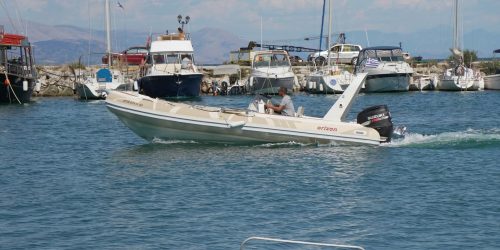
Every moving vessel displaces water. The size of the resulting wake depends upon the hull, the speed and the depth of the water beneath it. Inside a marina or narrow channel, that energy has little room to disappear. It reaches other boats, docks and shorelines carrying the force of a decision made somewhere else.
I tend to have a love-hate relationship with “no wake zones”, especially when I’m on something light like a jet-ski. However, the longer I have spent around larger boats, the more I have come to respect this simple relationship between movement and consequence. At the helm, the view ahead can become consuming. Markers must be found. Traffic must be watched. Weather and depth require attention. The destination lies somewhere beyond the bow.
Good seamanship also requires an occasional look astern.
A careful helmsman watches what his vessel is doing to the water. He reduces speed before entering a crowded anchorage. He gives room to smaller craft and people working near the waterline. He understands the size and weight of the boat under his command.
A larger vessel owes greater care.
This lesson becomes especially important after weighing anchor. The decision to leave has been made. The anchor is aboard, the deck is secured, and the vessel begins gathering way. Attention turns naturally toward the next destination.
Movement brings a new responsibility: how we leave.
A man also creates a wake as he moves through life. His decisions continue through the lives of other people. His words are repeated in rooms he will never enter. The confidence he gives someone may alter the course of a career. The doubt he plants may linger long after he has forgotten the conversation.
Intent begins the action. Effect completes it.
Most people judge themselves by what they meant. They remember the pressure they were under, the limited time they had and the reasons behind the decision. Everyone else receives the result. They live with the promise that was kept or broken, the standard that was established and the condition in which the work was left.
This distance between intention and effect deserves an honest look astern.
Authority enlarges it. A leader’s habits travel through an organization much like a wake moves through a harbor. His impatience becomes urgency in people below him. His temper makes honesty dangerous. His refusal to accept responsibility teaches others to protect themselves first.
Calm authority travels just as far. Clear expectations steady people. Fair decisions encourage candor. A leader who keeps his word allows those around him to concentrate on their own duties. His presence continues through the conduct he established, even when he is absent.
Family life carries the same principle. A man’s moods can set the atmosphere of a home. His dependability becomes part of the confidence of those who rely upon him. Children remember how the room felt when he entered it. They learn from his response to frustration, his treatment of their mother and the value he places upon his own word.
Influence rarely ends at the point where it was exercised.
Departure reveals the full shape of that influence. Arriving well comes easily when a man wants entry, approval or opportunity. Leaving well requires discipline after the benefit has passed.
The final days of a job, friendship, partnership or season of life deserve the same care as the beginning. Obligations should be settled. Gratitude should be expressed. Work should be placed in capable hands. A closed door should require no one else to clean up what was abandoned behind it.
People remember how a man leaves.
They remember whether he acknowledged the help he received. They remember whether his courtesy survived disappointment. They remember whether his private conduct matched the principles he expressed when the room was listening. Over time, those memories gather into reputation.
Reputation is the accumulated report of a man’s wake.
Occasionally, damage appears only after he has moved on. An unanswered obligation reaches someone downstream. A careless confidence travels beyond its intended audience. An impulsive judgment closes a door for a person who never knows why. The original moment may have lasted seconds. Its movement through other lives can continue for years.
The person responsible may never see the final shoreline it reaches.
That possibility calls for awareness, not timidity. Boats are built to move, and a useful life requires decisions. Leadership creates pressure. Ambition displaces comfortable water. Any man who intends to accomplish something will leave evidence of his passage.
The quality of that evidence remains within his command.
Some wakes leave people stronger. A demanding standard, applied fairly, raises the ability of everyone around it. An act of loyalty gives someone the courage to extend loyalty elsewhere. A word spoken at the right moment can travel through a life and into another generation.
Generosity has a wake. So do steadiness, courage and good manners.
We seldom know how far these things travel. A teacher may never see what becomes of a student. A leader may never witness the decisions later made by the person he trained. A friend may forget the conversation that another person remembers for the rest of his life.
The absence of recognition does not diminish the consequence.
The finest evidence of a man’s passage may exist in people who became more capable because he trusted them, more certain because he encouraged them and more honorable because he expected honor from himself. The work continues. The household remains steady. The vessel he once helped crew sails competently under another hand.
That is a wake worth leaving.
The horizon will always draw the eye forward. It promises another harbor, another passage and another chance to discover what lies beyond the visible line. The bow has to point somewhere.
From time to time, a good helmsman turns his head. He studies the water behind him and sees how far the disturbance has travelled. If the lines along the dock are straining, he reduces speed. If the smaller boats are rolling, he gives them room. He accepts that the water bears an honest record of his command.
Then he faces forward and continues on his course.
Mind your wake.

NEXT WEEK: The Shore Was Never the Point

The Unofficial Ambassador for the State of Texas