The Wisdom of Changing Course
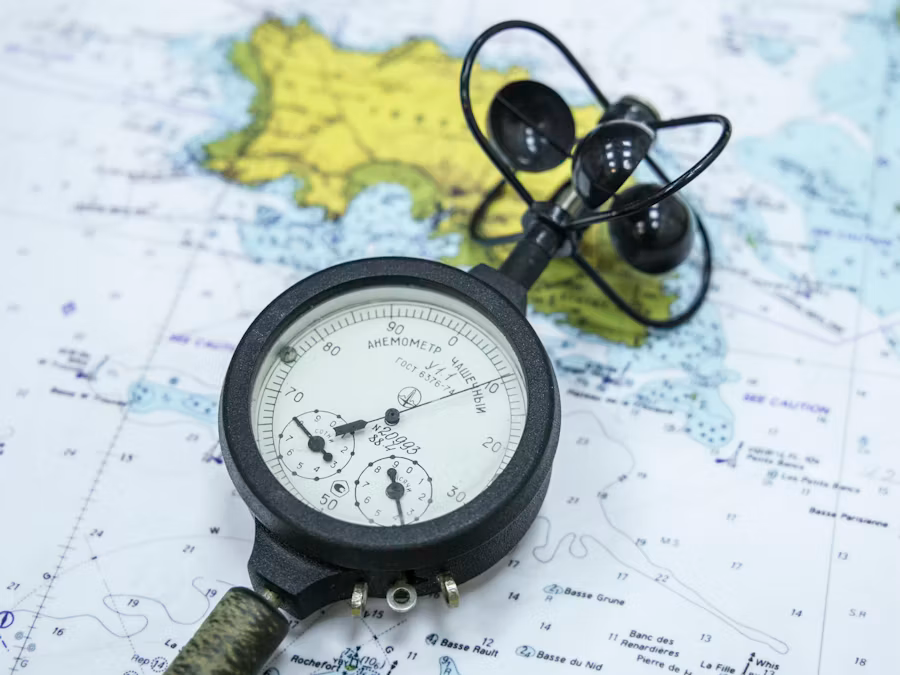
At sea, you learn quickly that a course is a commitment, not a prison.
You set out with intention. You study the chart, check the weather, mark the hazards, and aim the bow toward a destination. A good passage begins with that kind of seriousness. Drifting is no virtue. A vessel without direction is surrendered to whatever happens next.
The water, however, has its own vote.
The wind shifts. The tides strengthen. Weather develops earlier than forecast. A harbor that looked reachable at breakfast may become unwise by afternoon. The mark you intended to make may no longer be the mark that matters. The sea has a way of humbling anyone who mistakes a plan for authority.
This is one of the quietest disciplines of seamanship. A competent sailor does not worship the course he drew in calm conditions. He respects it, follows it as long as it remains sound, and changes it when reality requires something better.
That distinction matters.
Foolish stubbornness has a talent for dressing itself as resolve. It says, “This was the plan,” as if the plan were sacred. It presses on because changing course would feel like admitting weakness. It confuses consistency with character and endurance with judgment. Men in particular have done great damage to boats, businesses, families, and themselves by refusing to alter a line they were once proud to draw.
A wise man understands that adjustment can be an act of command.
President Eisenhower once put the matter plainly: “Plans are worthless, but planning is everything.” It is a soldier’s line, but any sailor worth their salt would recognize the truth in it. The chart matters. The course matters. The hand on the wheel still has to answer the day.
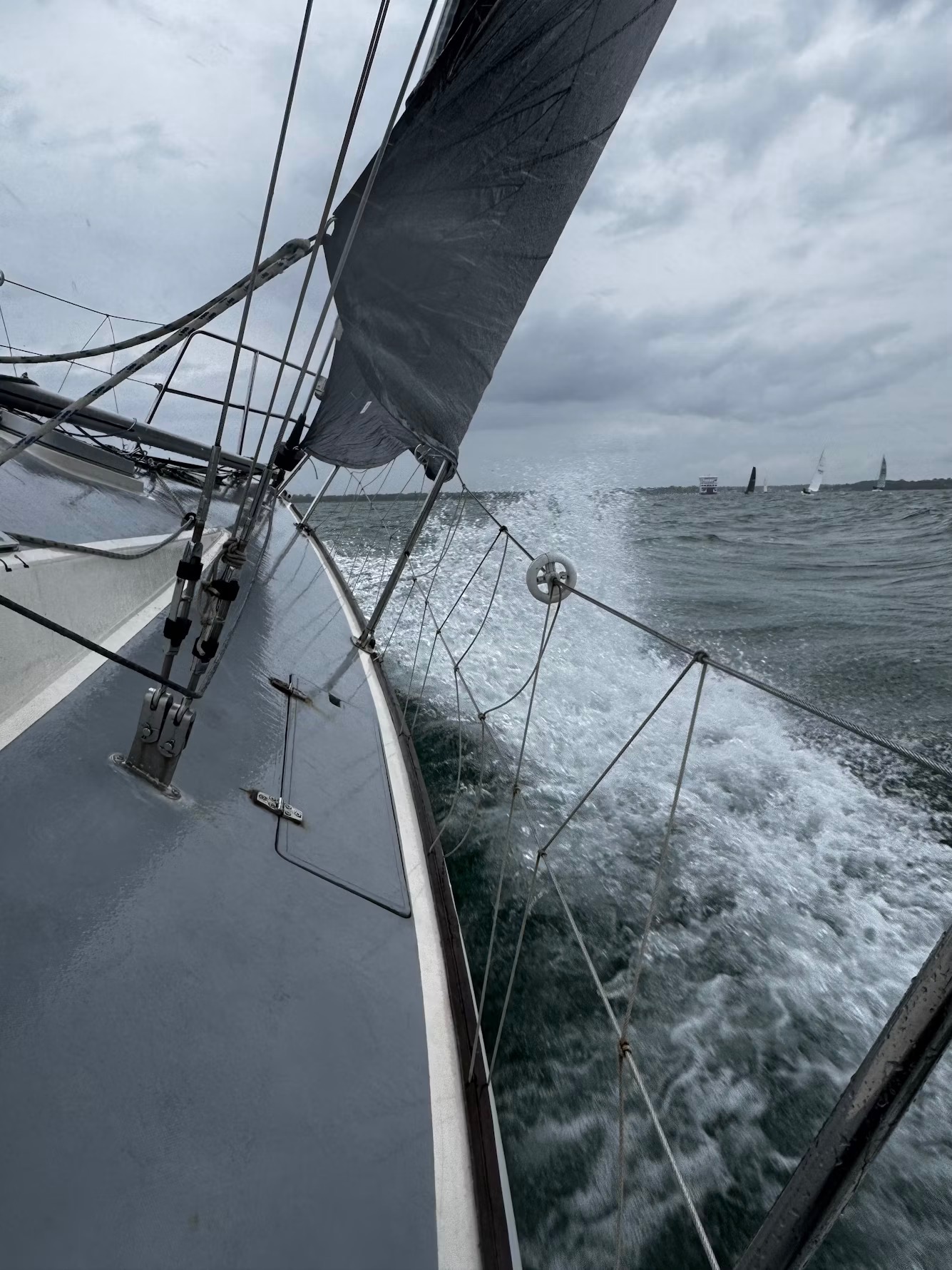
Changing course is not wandering. It is not panic. It is not surrender to discomfort. If I’m honest, this is something I still struggle with at times. Done properly, it is the disciplined response of someone who has been paying attention. He has seen the signs. He has weighed the conditions. He has accepted that the original route has given way to a better one.
When I was younger and a bit less experienced, I admired the romance of pressing on. Most young men do. There is something appealing about the idea of holding the wheel, jaw set,
canvas full, eyes fixed on some distant point. It looks like courage from a distance. It feels like courage when you are young enough to confuse pressure with purpose.
The sea is a great cure for that.
On a boat, consequences have a way of arriving without ceremony. A small decision compounds. A little pride becomes strain. A delayed correction becomes damage. The water does not care how noble your original plan sounded when you made it. It only responds to the seamanship you bring to the moment in front of you.
That is where maturity begins to show.
The immature man wants the world to honor his intentions. The mature man learns to govern his response. He does not abandon purpose. He protects it. He understands that the destination may still matter deeply, even when the route must change completely. He knows the difference between losing direction and finding a safer line toward the same end.
A change of course often feels smaller than the drama surrounding it. Sometimes it is only a few degrees on the compass. A slight correction. A tack taken sooner. A harbor chosen earlier. A passage delayed by a day. From the outside, it may appear insignificant. From the helm, it can be the decision that saves the voyage.
This is true far beyond the water.
A man will need to change course in his work, his ambitions, his habits, his friendships, or the life he imagined for himself. He may discover that a path once chosen in good faith no longer fits the conditions before him. He may see that pride has kept him moving toward a version of success that no longer deserves his loyalty. He may realize that the honorable thing is to alter his line before the strain becomes ruin.
The world often praises the man who never changes. It likes simple stories. It admires slogans, certainty, steadfastness, and visible toughness. Real life is rarely governed well by slogans. A man who never changes course may look strong for a season. He may also be steering directly into weather everyone else can see.
The better man keeps his purpose clear and his hands ready.
He knows when to hold the line and when to alter it. He can distinguish fear from prudence, impatience from instinct, and pride from principle. He is not easily moved by noise. He is not frozen by his own declarations. He is steady enough to change without becoming erratic.
That is harder than it sounds.
To change course well, you must first tell yourself the truth. You have to admit what you are seeing. You have to stop defending yesterday’s decision simply because it was yours. You have
to accept that judgment is a living thing, sharpened by new information. A plan made honestly can be revised honestly. There is no shame in that.
The shame lies in knowing better and refusing to act.
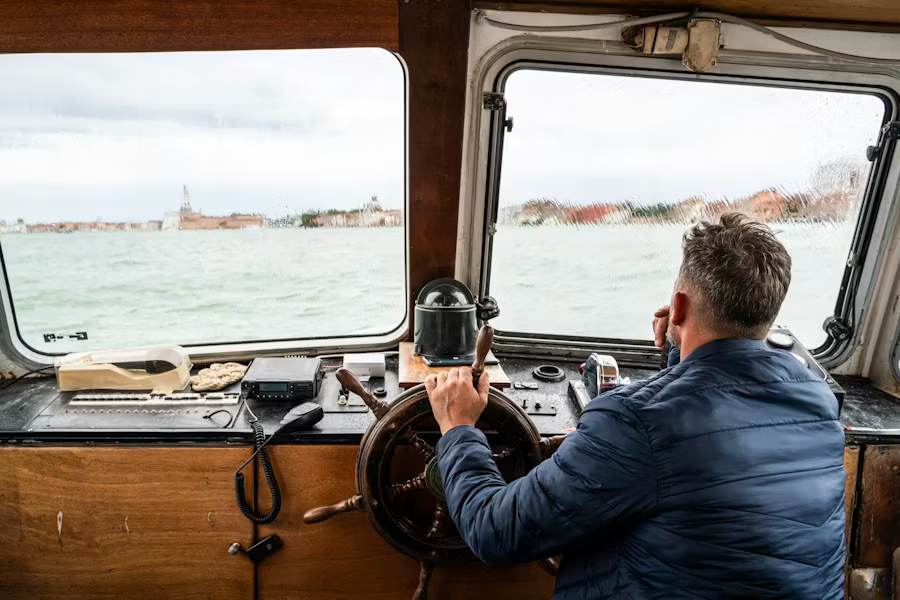
At sea, the helm is never merely decorative. It is placed in your hands so you may use it. The wheel exists because conditions change. The chart exists because hazards matter. The watch exists because attention must become action.
A man should remember that.
Life will ask him, more than once, to reconsider the line he is on. Sometimes the change will be obvious. Sometimes it will arrive as a small unease that refuses to leave. Sometimes everyone around him will urge him to keep going because they are attached to the old plan, the public plan, the plan that sounded impressive when spoken aloud.
The sea teaches a quieter standard.
The point is to arrive with the vessel sound, the crew intact, and the purpose preserved. The exact line matters less than the wisdom carried along it. A man who can change course without losing himself has learned something important. He has learned that command is not rigidity. It is responsibility.
And responsibility, properly understood, is rarely dramatic.
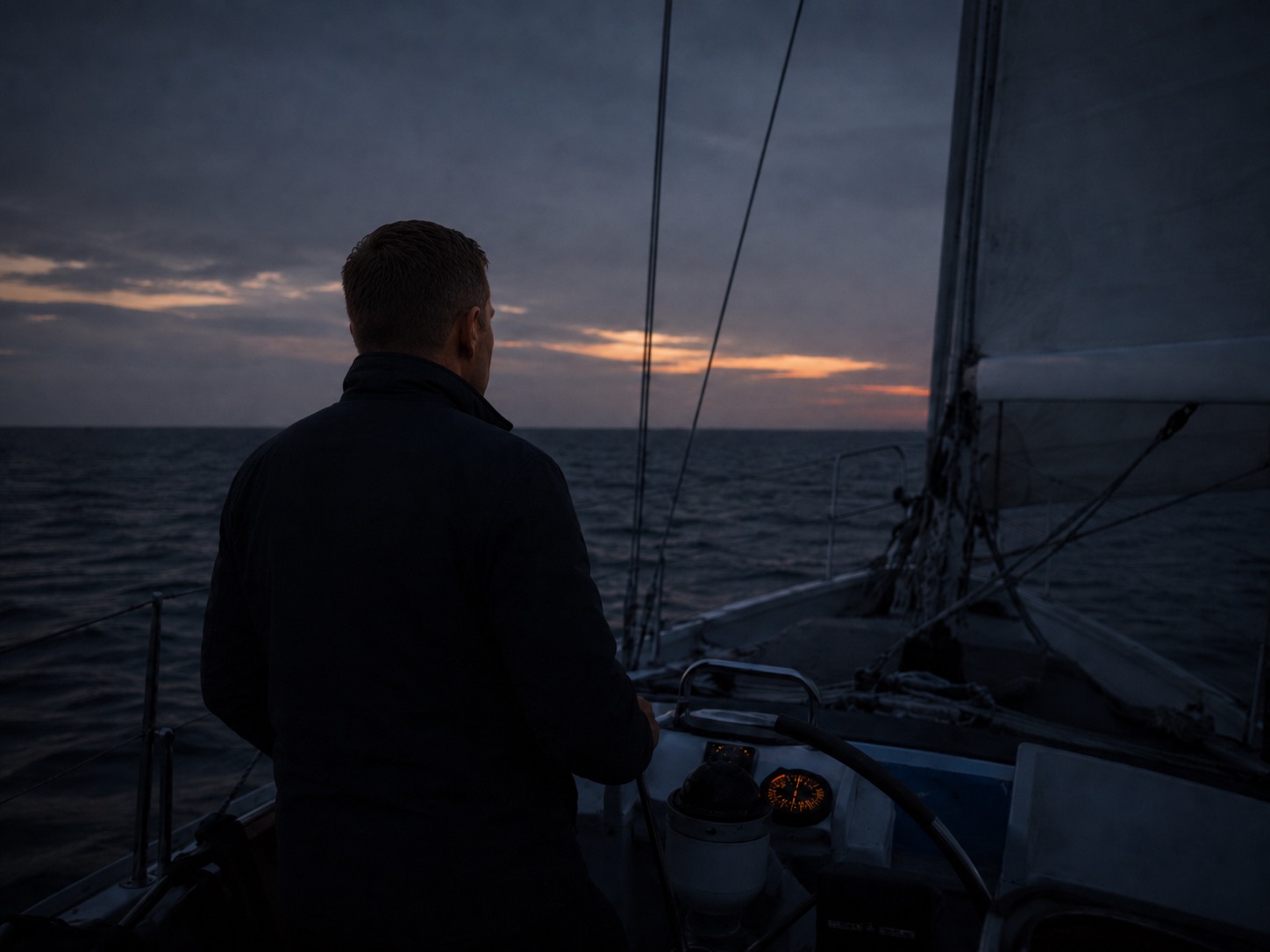
It is the hand on the wheel.
It is a glance at the sky.
It is the willingness to alter the heading before the storm makes the decision for you.
NEXT WEEK: The Wisdom of Soundings

The Unofficial Ambassador for the State of Texas