Why the Wisest Car Buyers Arrive on Purpose, and Always Late
Experienced buyers have a habit of arriving late. Not carelessly late — deliberately late, after a vehicle has lived enough of its life to stop being speculative and start being known. While the rest of the market crowds around something new, paying a premium to absorb every risk the manufacturer hasn’t yet answered for, the patient buyer waits. He lets time do the work. Then he moves.
That discipline has a name. Those who practice it most deliberately call it the “Pre-Screen Loop”.
What the Loop Actually Is
Every vehicle passes through predictable phases of life, and understanding those phases is the foundation of the entire strategy.
In the first five years, a new vehicle carries maximum uncertainty. Its long-term reliability is unproven. Its depreciation is aggressive. According to Kelley Blue Book data, the average new car loses roughly 20 percent of its value in the first year alone, and close to 55 percent within five years. The buyer who steps in at this stage absorbs all of that risk in exchange for the privilege of being first. For many, that privilege is worth it. For most, it simply costs more than it should.
Between years five and ten, the sorting begins. Patterns of reliability emerge. Weak examples fail or are discarded by owners who move on. Strong designs accumulate service histories, independent mechanic familiarity, and owner communities that document everything worth knowing. The market begins to reflect actual reliability rather than newness. Depreciation flattens considerably. By years four through six, most vehicles have already shed the steepest portion of their curve, losing 5 to 8 percent annually rather than the brutal 10 to 15 percent of their early years.
The true Pre-Screen Loop lives in the window between seven and twelve years. This is where the strategy operates at its clearest. The vehicle has lived long enough for its weaknesses to surface and be documented. The careless owners have moved on. The failure points are known, priced, and manageable. The aftermarket has matured. The depreciation curve has gone nearly flat. And the vehicle, if the platform was sound to begin with, still has the majority of its useful life remaining.
That is the loop. Time has already done the screening. What the buyer encounters at year eight or ten is not speculation. It is a signal.
The Three Phases
A useful way to think about this is in four distinct periods, each with its own character.
The creation phase covers the first five years. Full uncertainty. Steep depreciation. Unknown long-term behavior. The buyer pays for freshness and absorbs the risk that comes with it.
The sorting phase runs from roughly years five to seven. The market begins to discover what it’s actually dealing with. Problems surface. Some platforms earn reputations. Others quietly disappoint. This is the period of information accumulation, and most of that information comes at someone else’s expense.
The true loop phase sits between years seven and twelve. This is the primary buying window. Depreciation has already taken its largest bites. The vehicle’s failure modes are documented and understood. Independent mechanics know the platform intimately. Parts availability is strong. Insurance costs have dropped. The ownership community has had a decade to develop the knowledge base that makes informed stewardship possible. For the right vehicle, this window represents the most rational entry point available in the used market.
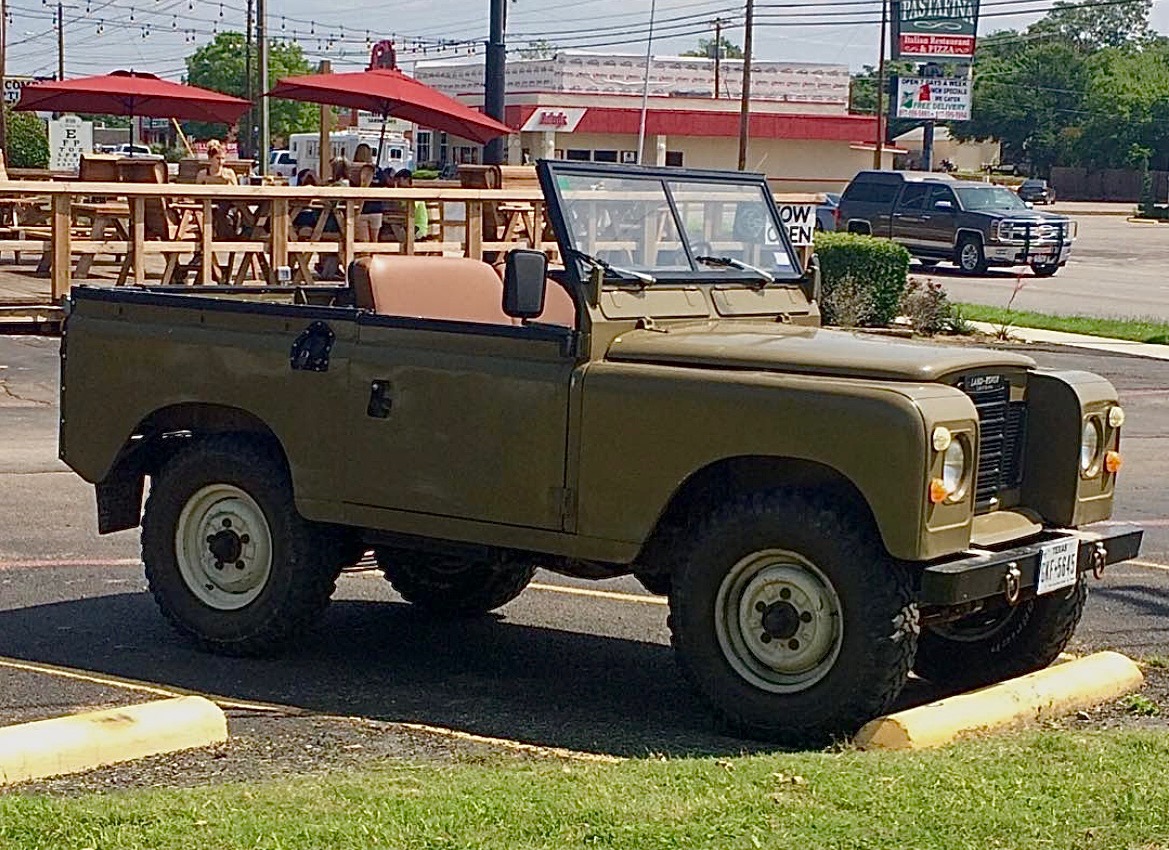
Beyond fifteen to twenty years, certain vehicles enter what might be called the survivor tier. These are machines that have outlasted not just depreciation but the market’s general indifference. The fragile examples are long gone. What remains are the durable ones, cared for by owners who understood what they had. These vehicles deserve their own category, because buying into the survivor tier requires a different kind of evaluation than buying into the primary loop window.
Signal Versus Noise
Within the loop, not every vehicle qualifies. The framework rewards certain kinds of engineering and punishes others.
Signal comes from mechanical simplicity, overbuilt drivetrains, long production runs, and predictable maintenance cycles. Vehicles designed with genuine redundancy, by teams who understood that long-term reliability required structural honesty rather than complexity, produce clear signals over time. The owner communities that form around them are part of the signal too. A dedicated forum full of owners sharing twenty years of documented repairs tells you something no inspection report can.
Noise looks different. Proprietary electronics that were contemporary in the model year and orphaned within a decade. Sensors and driver-assistance systems that require dealer calibration for repairs any competent independent mechanic should handle. Short production anomalies. One-off platforms that never attracted a durable service ecosystem. These things age expensively and unpredictably. The loop does not protect them.
This connects to a broader conversation happening in automotive culture right now. Research into cognitive load in automotive UX design has shown that complex infotainment systems introduce what designers call extraneous cognitive load — the mental overhead produced not by the difficulty of a task itself, but by how poorly the interface presents it. Automakers have spent the past decade discovering this the hard way, with some brands quietly reintroducing physical controls after sustained driver frustration. A touchscreen that freezes or a menu system requiring three taps to adjust cabin temperature are not just usability problems. They are aging problems. The Pre-Screen Loop rewards vehicles that were designed with mechanical honesty. That happens to mean, in most cases, vehicles whose interfaces ask less of you rather than more.
The Primary Window: Seven to Twelve Years
The clearest opportunities in the loop right now look something like this.
The Toyota 4Runner in its fourth and fifth generations has built a durability reputation that only deepened with time. Its body-on-frame construction, relatively simple drivetrain, and strong enthusiast community have made it one of the most predictable ownership propositions in its class. A well-maintained example in the seven-to-ten-year range offers known reliability with depreciation already absorbed.
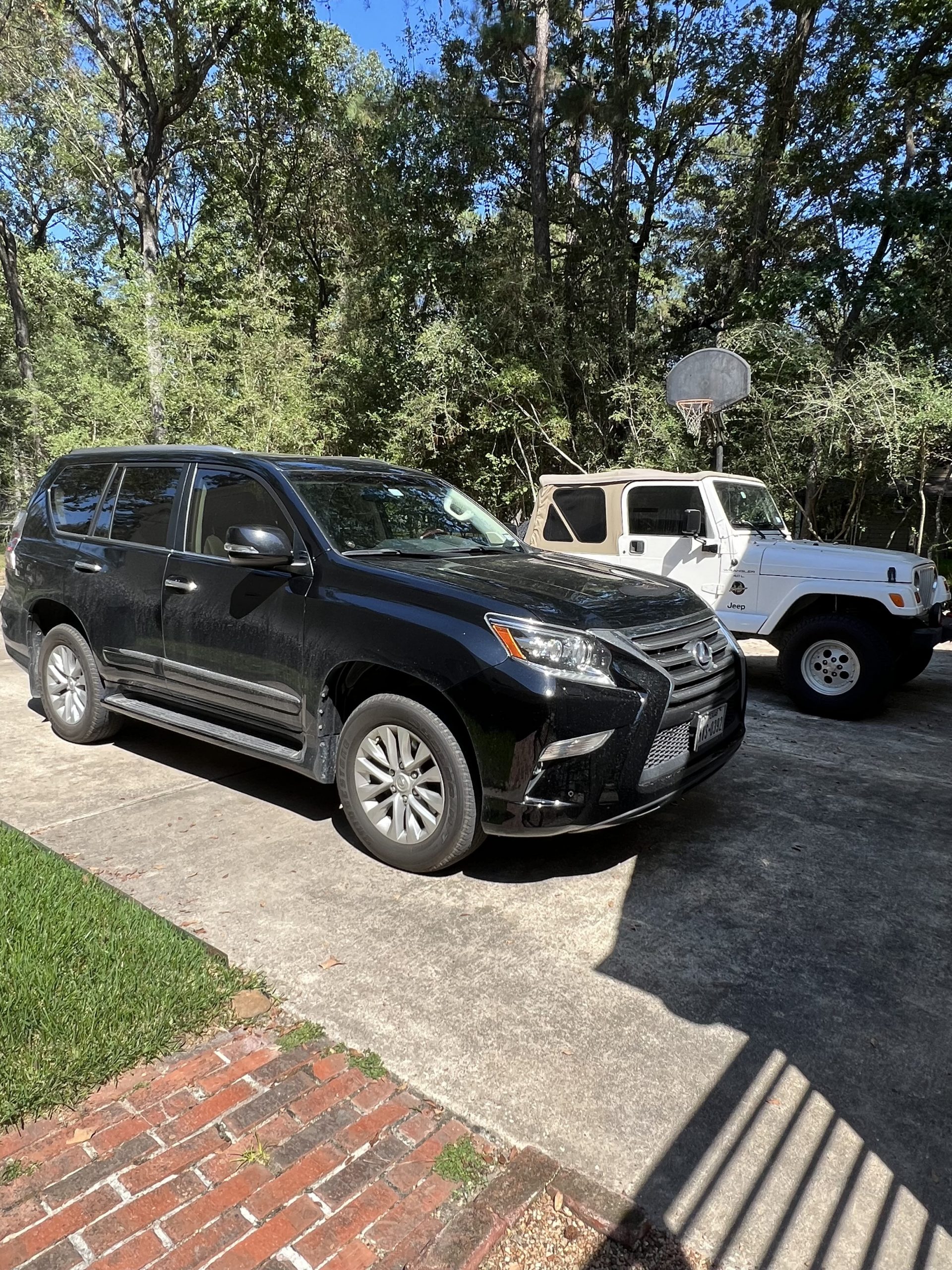
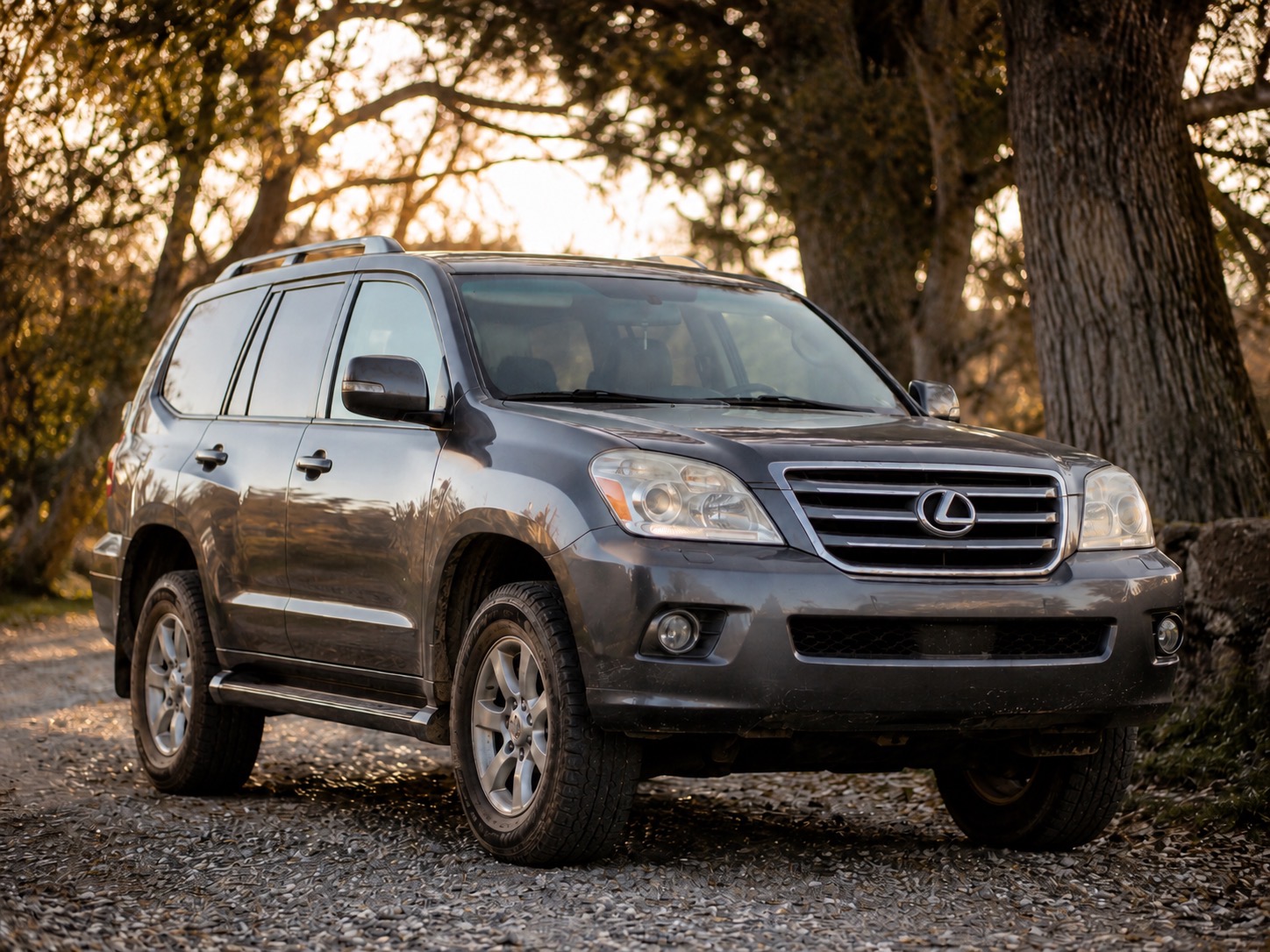
The Lexus GX460 occupies a similar position. Built on truck architecture with Toyota’s most conservative engineering principles applied to a luxury-finished package, the GX has accumulated exactly the kind of owner history the loop requires. Failure points are documented. The platform is understood. The asking price at this stage of the depreciation curve reflects neither its original luxury sticker nor its actual remaining capability.
The Lexus RX350, the Toyota Tundra with its 5.7-liter V8, the Honda Accord V6 in its eighth generation, and Ford’s F-150 with the 5.0 Coyote engine all represent similar propositions. Platforms where time has already answered the important questions. Where the ownership community has accumulated the knowledge that makes confident stewardship possible. Where the price reflects what the market has already worked out rather than what anyone is still guessing at.
The BMW B58 engine family, found in several 3-series and 5-series models from the mid-2010s, has earned a reliability reputation that distinguishes it clearly from its predecessors. A B58-powered example now entering the primary loop window carries a different risk profile than earlier BMW platforms at similar ages. The loop rewards that distinction.
The Survivor Tier
Beyond the primary window, certain vehicles cross into a category that deserves separate treatment. These are the late-loop survivors, machines that have outlasted typical market interest and arrived at a point where their durability is no longer a question anyone asks.
The Toyota Land Cruiser J100, produced from 1998 to 2007, is an example. The Lexus LS430, built from 2000 to 2006 on Toyota’s most restrained engineering principles, is another. The Jeep Wrangler TJ, whose solid axles, body-on-frame architecture, and vast aftermarket have made it one of the most serviceable platforms in automotive history, belongs here as well.
These vehicles are excellent. Their asking prices, relative to what they were new, can represent genuine value. But they require a different evaluation framework than the primary loop window. Parts availability on some platforms begins to thin at this age. Certain components need replacement simply because of time, not because of misuse. The inspection requirements are more demanding. The buyer entering the survivor tier should do so with clear eyes and a willingness to invest in maintenance that a younger vehicle would not yet require. The reward, when the example is right, is ownership of something that has already proven itself beyond any reasonable doubt.
What Ownership Becomes
The psychology of buying inside the loop changes the experience of ownership in ways that are worth understanding before the purchase.
The anxiety of depreciation disappears, because the depreciation has already happened. The uncertainty about reliability dissolves, because the reliability record exists and is readable. What replaces those concerns is a kind of ownership calm that new vehicles rarely produce. You are not learning what the machine is. You already know. The service history, the documented failure points, the community knowledge — these things produce confidence that no warranty can fully replicate.
Insurance costs are lower. Independent mechanics know the platform with a fluency that dealer service departments rarely develop for current models. Parts availability at the primary loop window is typically strong, with both original equipment and quality aftermarket options. The complexity that made modern vehicles feel sophisticated at the point of sale becomes irrelevant. Function, clarity, and predictability take its place.
The Wrong Way to Use It
A caution. The loop is not a license for optimism about any vehicle that has reached a certain age.
The badge does not equal durability. A strong brand reputation cannot compensate for a specific example that has been poorly maintained. Mileage without service history is not a proof of survival. It is a record of unknowns. Any vehicle evaluated under the logic of the loop requires a thorough inspection by a qualified independent mechanic, a readable service history, and an honest accounting of that platform’s known weaknesses.
The loop identifies which vehicles are worth investigating. The inspection confirms whether a specific example qualifies. Those are two separate steps, and conflating them is how the strategy fails.
Arriving Late, on Purpose
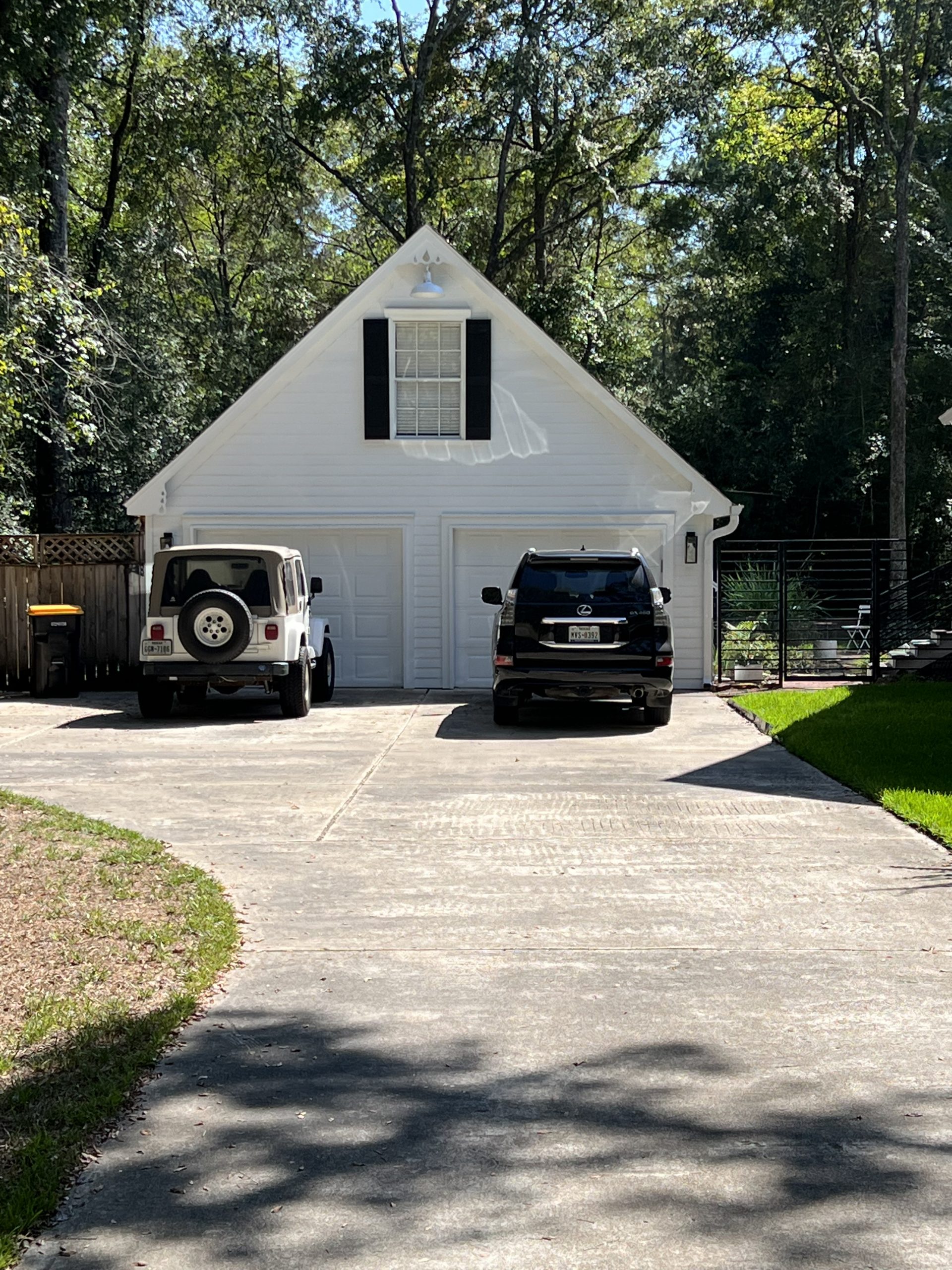
The Pre-Screen Loop is sometimes described as a financial strategy, and the financial case is real. A Lexus GX460 at year nine, or a Tundra at year ten, delivers capability and reliability at a price point that has already priced in nearly everything the market will ever take from it. The depreciation math is sound.
Reducing it to arithmetic, though, misses the more useful idea.
The buyer who seeks out a documented example in the primary loop window is choosing to engage with a machine that has already told the world what it is. He is buying into a known history rather than a promised future. The weak examples have already failed. The careless owners have already moved on. What remains are the survivors, and the buyer who arrives at the right moment gets the benefit of everything time has already sorted out.
Timing, in this context, is not about being first. It is about being right.

The Unofficial Ambassador for the State of Texas